Di-Tert-Butyl Peroxide (DTBP), also known as Tert-Butyl Peroxide. DTBP serves as an efficient free radical initiator, polymerization catalyst, and crosslinking agent. This clear, colorless liquid is prized for its stability and effectiveness in high-temperature applications, making it essential for producing polymers like low-density polyethylene (LDPE) and modifying materials such as polypropylene (PP).
Technical Specifications
| ITEMS | SPECIFICATIONS |
| Appearance | Colorless or light yellow liquid |
| Content | ≥98.5% |
| Moisture | ≤0.5% |
| TBHP | ≤1.0% |
TBA
| ≤0.5% |
| Reactive Oxygen | ≥10 |
| Colour (Apha) | ≤50 |
Packaging
Net weight 165kg drum,13.2MT/20FCL with pallets.
Net weight 20kg drum, 12.8MT/20FCL with pallets.
Applications of Di-Tert-Butyl Peroxide (DTBP)
1. Industrial Applications
DTBP is primarily employed in large-scale manufacturing due to its role as a radical initiator and crosslinking agent. Its thermal stability allows for controlled reactions in high-temperature environments.
Polymerization Initiator
Production of Polyethylene (PE), Polystyrene (PS), and Polypropylene (PP):
DTBP triggers free radical polymerization in high-pressure processes for low-density polyethylene (LDPE) and other polymers. It enables chain-growth polymerization, allowing precise control over molecular weight distribution in tubular or autoclave reactors. For example, in ethylene polymerization, DTBP initiates the reaction at elevated temperatures to produce LDPE used in films, coatings, and packaging.
(Meth)Acrylates and Vinyl Compounds:
Serves as an initiator for styrene, acrylates, and other vinyl monomers, facilitating the synthesis of acrylic resins and copolymers.
Crosslinking Agent
Rubber and Plastics:
DTBP induces crosslinking in silicone rubbers, unsaturated polyester resins, and elastomers, enhancing mechanical strength, thermal resistance, and durability. Specific uses include automotive hoses, gaskets, cable insulation, industrial adhesives, and FDA-compliant food-grade products like bottle stoppers.
Enhancing Material Properties:
In plastics, it improves toughness and flexibility, making it essential for automotive and construction sectors where high-performance materials are required.
Polymer Modification
Degradation of Polypropylene:
Acts as a degradation agent to break polymer chains selectively, improving the melt flow index (MFI) for better processability in extrusion, injection molding, fibers, and films.
Fuel and Oil Additives
Diesel Cetane Improver:
Enhances ignition efficiency in diesel engines by providing oxidative radicals.
Transformer Oil Additive:
Functions as a pour-point depressant to maintain oil fluidity at low temperatures.
Other Industrial Uses
Specialty Chemicals:
Used in nanoparticle synthesis and as a process regulator, hardener, catalyst, plasticizer, solvent, or intermediate in manufacturing plastics and chemicals.
2. Applications in Organic Synthesis
DTBP is widely used as a radical initiator and oxidant in synthetic chemistry, enabling C-H activation, cross-coupling, and cyclization reactions. It often works with metal catalysts like copper or iron.
Cross-Coupling and Functionalization
Esterification of Benzylic C-H Bonds:
Catalyzed by ionic iron(III) complexes, DTBP oxidizes primary benzylic C-H bonds with carboxylic acids to form esters. This reaction has a broad substrate scope and tolerates steric hindrance.
Amidation of Hydrocarbons:
Copper-mediated amidation of benzylic and aliphatic alkanes with amides, sulfonamides, or imides via radical C-H activation.
Alkenylation of C(sp⊃3;)-H Bonds:
Copper-promoted reaction of alcohols, toluene derivatives, or alkanes with β-nitrostyrenes to form allylic alcohols, benzyl, or alkane derivatives.
Heterocycle Synthesis
Furan Synthesis:
Copper(I)-catalyzed radical C(sp⊃3;)-H functionalization of acetophenones with alkynes to produce multisubstituted furans.
Oxadiazole Synthesis:
One-pot radical-promoted cross-dehydrogenative coupling of aryl tetrazoles and aldehydes, followed by thermal rearrangement to 2,5-diaryl 1,3,4-oxadiazoles.
Isoindolinone and Indoline Synthesis:
Copper-catalyzed C-H functionalization of benzamides for isoindolinones; iodine-mediated oxidative amination of anilines for indolines.
Benzothiophene and Benzothiazole Synthesis:
Iodine-catalyzed cascade from thiophenols and alkynes for benzothiophenes; alkyl radical-triggered cleavage of 2-isocyanoaryl thioethers for benzothiazoles.
Imidazo[1,5-a]pyridine and Azolo[1,5-a]pyrimidine Synthesis:
Copper/iodine co-catalyzed decarboxylative cyclization with α-amino acids and pyridines; annulation of aminoazoles with aldehydes and triethylamine.
Other Synthetic Reactions
Cyanomethylation and Sulfide Synthesis:
Radical addition from acetonitrile to 1,3-dicarbonyls; metal-free coupling of arylboronic acids with dimethyldisulfide.
Methylating Agent and Oxidation:
In pharmaceuticals and agrochemicals, DTBP acts as a methylating agent for pyrimidine derivatives and oxidizes sulfides to sulfoxides.
3. Emerging and Niche Applications
Green Chemistry: Development of bio-based peroxides to minimize environmental impact in sustainable polymer production.
Advanced Materials: Crosslinking for next-generation polymers in aerospace, electronics, and composites.
Energy Storage: Research as a stabilizer in lithium-ion batteries.
Engine Fuel: In oxygen-limited environments, DTBP supplies both oxidizer and fuel components.
Carbon-Heteroatom Bond Formation: DTBP mediates eco-friendly, efficient reactions due to its affordability and efficacy, though specific details from recent studies highlight its role in bond formation with heteroatoms.
Frequently Asked Questions (FAQs)
Q: What is Di-Tert-Butyl Peroxide (DTBP) used for?
A: DTBP is primarily used as a polymerization initiator for olefins like ethylene in LDPE production, a crosslinking agent for unsaturated polyesters, and a modifier for polypropylene degradation. It's also applied in organic synthesis and advanced material crosslinking.
Q: Is DTBP safe to handle?
A: While effective, DTBP is flammable and can decompose explosively. Proper PPE, ventilation, and storage below 30°C are essential. Follow SDS guidelines to minimize risks.
Q: How should DTBP be stored?
A: Store in a cool, dry place below 30°C, away from incompatible materials like reducers or metals. Use original packaging to prevent contamination.
Q: Can DTBP be used in green chemistry applications?
A: Yes, emerging uses include bio-based peroxides and sustainable polymer production, aligning with eco-friendly practices.
Contact Us
For COA, TDS, MSDS or other products, please contact us at:
Email: lisa@aozunchem.com
WhatsApp: +86-186 5121 5887
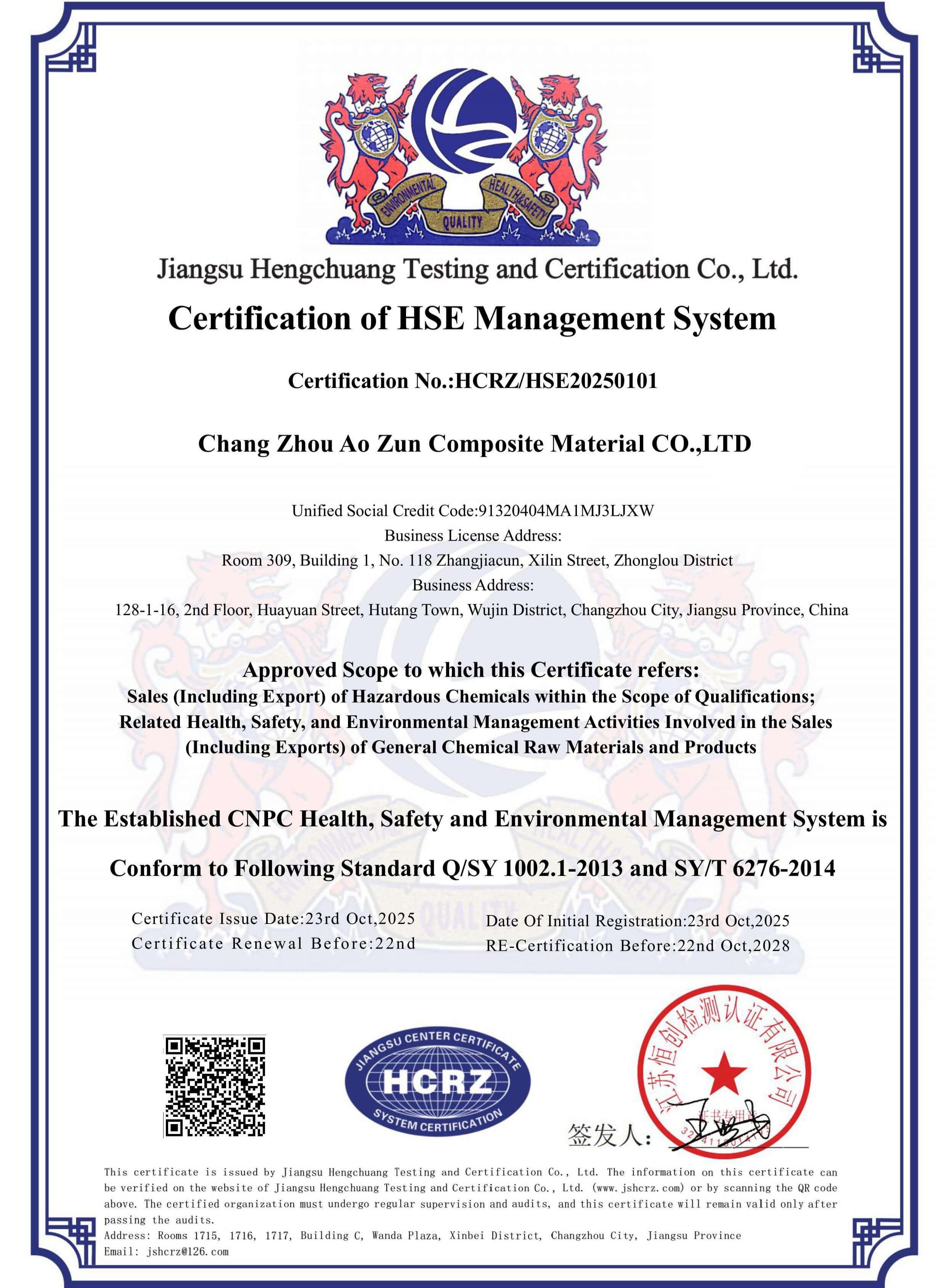
AUTHENTICATION CERTIFICATE


 English
 العربية
 Français
 Русский
 Español
 Português
 Deutsch
 italiano
 日本語
日本語 한국어
한국어 Nederlands
 Tiếng Việt
 ไทย
ไทย Polski
 Türkçe
 አማርኛ
አማርኛ ភាសាខ្មែរ
 Bahasa Melayu
 ဗမာစာ
ဗမာစာ Filipino
 Bahasa Indonesia
 magyar
 Română
 Čeština
 қазақ
қазақ हिन्दी
 فارسی
فارسی Kiswahili
 Slovenčina
 Slovenščina
 Norsk
Norsk Svenska
 українська
 Ελληνικά
 Suomi
Suomi עברית
עברית Latine
 Dansk
Dansk اردو
اردو বাংলা
বাংলা Hrvatski
 Afrikaans
 Eesti keel
 සිංහල
සිංහල latviešu
 Български
 Hausa
Hausa íslenska
 Kurdî
Kurdî Lietuvių
 isiZulu


![3-[(2-Ethylhexyl)oxy]propylamine](http://ijrorwxhlloplm5m.ldycdn.com/cloud/pnBpoKnmlnSRplnkikojip/3-2-Ethylhexyl-oxypropylamine-640-640.png)