Diisodecyl Phthalate (DPHP), also known as di(2-propylheptyl) phthalate in specific formulations, is a high-molecular-weight, general-purpose phthalate plasticizer widely used to impart flexibility, durability, and processability to PVC compounds.
DPHP excels in applications requiring excellent weathering resistance, low volatility, minimal fogging, and low odor. It is a preferred choice for demanding outdoor and indoor uses where long-term stability and regulatory compliance are essential.
Technical Specifications
| ITEMS | SPECIFICATIONS |
| Appearance | Transparent oily liquid |
| Content | ≥99.6% |
| Color (APHA) | ≤40 |
| Acid Value, mgKOH/g | ≤0.05 |
| Refractive Index(25) | 1.484+0.005 |
| Moisture | ≤0.05% |
| Volume Resistivity, Ω•cm | 1.2*10^11 |
| Heating Reduction | ≤0.10% |
Packaging and Storage
Net weight 200kgs steel drum, 16MT/FCL with pallets
Store in cool place. Keep container tightly closed in a dry and well-ventilated place.
Key Features and Benefits
Superior Weathering and UV Resistance:
Ideal for outdoor PVC products exposed to sunlight and environmental stress.
Low Volatility and Fogging:
Reduces emissions and surface deposits, making it suitable for enclosed spaces like automotive interiors.
Low Odor:
Enhances end-product quality in consumer-facing applications.
Good Low-Temperature Flexibility:
Maintains pliability in cold conditions.
High Thermal Stability:
Supports high-temperature processing and end-use.
Compatibility:
Works well with PVC homopolymers, copolymers, and other polymers such as polyurethanes and polyacrylates.
Primary Applications
DPHP is commonly used in flexible PVC formulations across multiple industries:
Automotive interiors (dashboards, door panels, instrument panels)
Wire and cable insulation and jacketing (meets UL and VDE standards)
Roofing membranes, tarpaulins, and outdoor coverings
Floor coverings and wall coverings
Calendered films and sheets
Coated fabrics and artificial leather
Frequently Asked Questions (FAQs)
Q: What is Diisodecyl Phthalate (DPHP)?
A: DPHP is a high-molecular-weight phthalate ester used primarily as a plasticizer to make PVC flexible and durable. It is often produced from 2-propylheptanol for enhanced performance characteristics.
Q: How does DPHP compare to DIDP or DINP?
A: DPHP (especially grades like di(2-propylheptyl) phthalate) is a structural isomer or improved variant of DIDP, offering better UV stability, lower fogging, and improved weathering resistance while maintaining similar processing and compatibility.
Q: Is DPHP suitable for automotive applications?
A: Yes, DPHP is widely used in automotive interiors due to its low fogging, low odor, and excellent heat and UV stability, helping meet stringent OEM requirements.
Q: What industries use DPHP the most?
A: Key sectors include automotive, wire & cable, construction (roofing, flooring), and coated textiles, where long-term durability and environmental resistance are critical.
Q: Is DPHP environmentally friendly or safe?
A: DPHP has a favorable toxicological profile among phthalates, with low volatility and minimal migration in many uses. It complies with major standards for wire/cable and automotive, but always verify local regulations and conduct risk assessments for specific applications.
Contact Us
For COA, TDS, MSDS or other products, please contact us at:
Email: lisa@aozunchem.com
WhatsApp: +86-18651215887
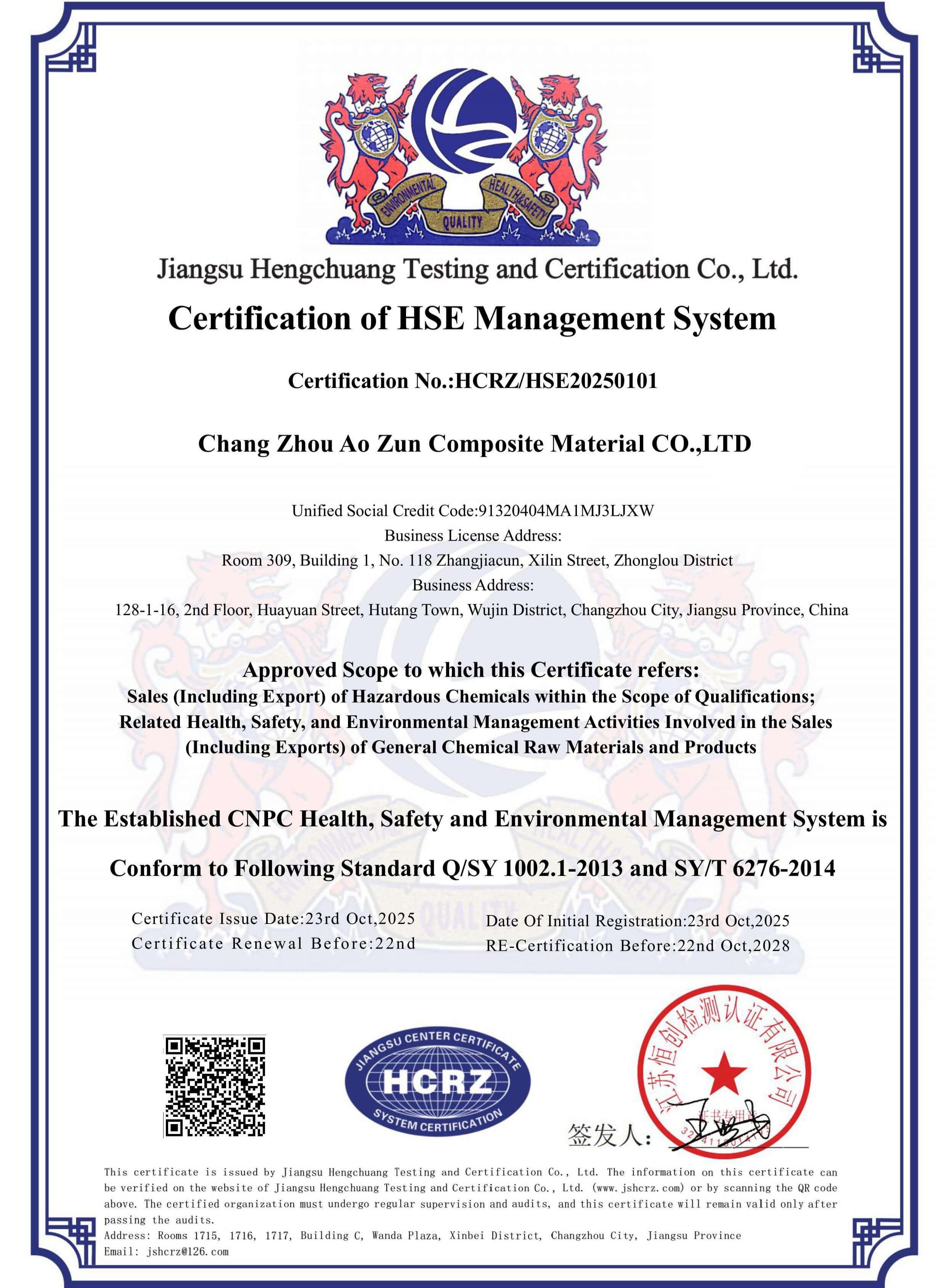
AUTHENTICATION CERTIFICATE


 English
 العربية
 Français
 Русский
 Español
 Português
 Deutsch
 italiano
 日本語
日本語 한국어
한국어 Nederlands
 Tiếng Việt
 ไทย
ไทย Polski
 Türkçe
 አማርኛ
አማርኛ ភាសាខ្មែរ
 Bahasa Melayu
 ဗမာစာ
ဗမာစာ Filipino
 Bahasa Indonesia
 magyar
 Română
 Čeština
 қазақ
қазақ हिन्दी
 فارسی
فارسی Kiswahili
 Slovenčina
 Slovenščina
 Norsk
Norsk Svenska
 українська
 Ελληνικά
 Suomi
Suomi עברית
עברית Latine
 Dansk
Dansk اردو
اردو বাংলা
বাংলা Hrvatski
 Afrikaans
 Eesti keel
 සිංහල
සිංහල latviešu
 Български
 Hausa
Hausa íslenska
 Kurdî
Kurdî Lietuvių
 isiZulu


![3-[(2-Ethylhexyl)oxy]propylamine](http://ijrorwxhlloplm5m.ldycdn.com/cloud/pnBpoKnmlnSRplnkikojip/3-2-Ethylhexyl-oxypropylamine-640-640.png)