DOP is a colorless, odorless (or very mild odor), oily liquid with low volatility, superior heat and UV stability, and excellent resistance to hydrolysis. It remains one of the most common plasticizers in non-restricted industrial applications, offering balanced performance for flexible PVC formulations.
Technical Specifications
| ITEMS | SPECIFICATIONS |
| Appearance | Transparent oily liquid |
| Content | ≥99.5% |
| Chroma(Pt-Co) | ≤30 |
| Density (20℃), g/cm³ | 0.982-0.988 |
| Acidity (calculated as benzoic acid) | ≤0.01% |
| Moisture | ≤0.1% |
| Flash point | ≥196°C |
| Volume resistivity ×10⁹Ω·m | ≥1.0 |
Packaging and Storage
Net weight 200kgs steel drum, 16MT/FCL with pallets
Store in cool place. Keep container tightly closed in a dry and well-ventilated place.
Primary Uses and Applications of Dioctyl Phthalate (DOP)
DOP is primarily used as a plasticizer to impart flexibility and softness to rigid polymers, especially PVC. Key applications include:
Flexible PVC products:
Wire and cable insulation, medical tubing (non-restricted uses), flooring, vinyl sheets, artificial leather, tarpaulins, garden hoses, conveyor belts, and weather stripping
Construction materials:
Roofing membranes, swimming pool liners, carpet backing, floor tiles
Automotive and industrial:
Sealants, gaskets, adhesives, coatings
Other:
Dielectric fluids in capacitors, hydraulic fluids, nitrocellulose lacquers, and as a solvent/carrier in some formulations
DOP offers excellent plasticizing efficiency, low migration, good electrical properties, and compatibility with a wide range of resins.
Frequently Asked Questions (FAQs)
Q: What is DOP used for?
A: DOP is a general-purpose plasticizer mainly for making PVC flexible in products like cables, flooring, hoses, and industrial coatings.
Q: What is the difference between DOP and DEHP?
A: DOP and DEHP refer to the same compound: Di(2-ethylhexyl) phthalate. The names are used interchangeably.
Q: Is DOP safe?
A: DOP has low acute toxicity but is suspected of reproductive/developmental effects with prolonged exposure. It is restricted in children's products and some medical/food applications in many countries.
Q: Why is DOP still used despite regulations?
A: It provides excellent cost-performance balance, heat/UV stability, and compatibility in non-sensitive industrial applications where alternatives may be more expensive.
Q: What are phthalate-free alternatives to DOP?
A: Common alternatives include DOTP, ATBC, DINCH, and adipates, which offer similar performance with improved regulatory profiles.
Contact Us
For COA, TDS, MSDS or other products, please contact us at:
Email: lisa@aozunchem.com
WhatsApp: +86-186 5121 5887
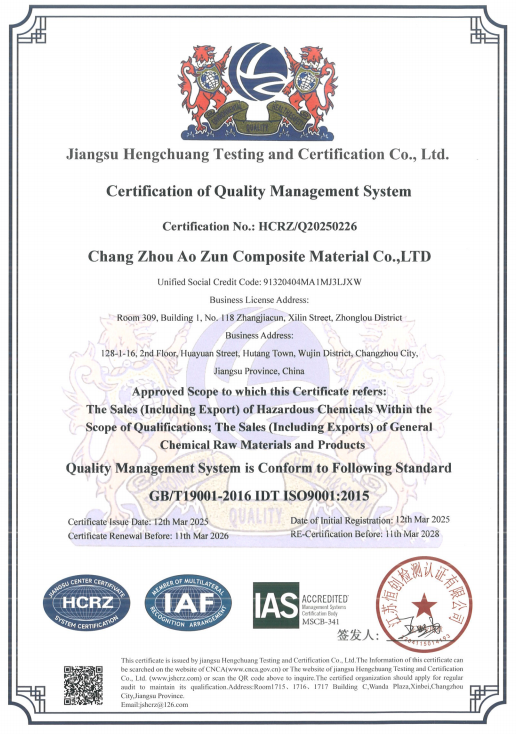
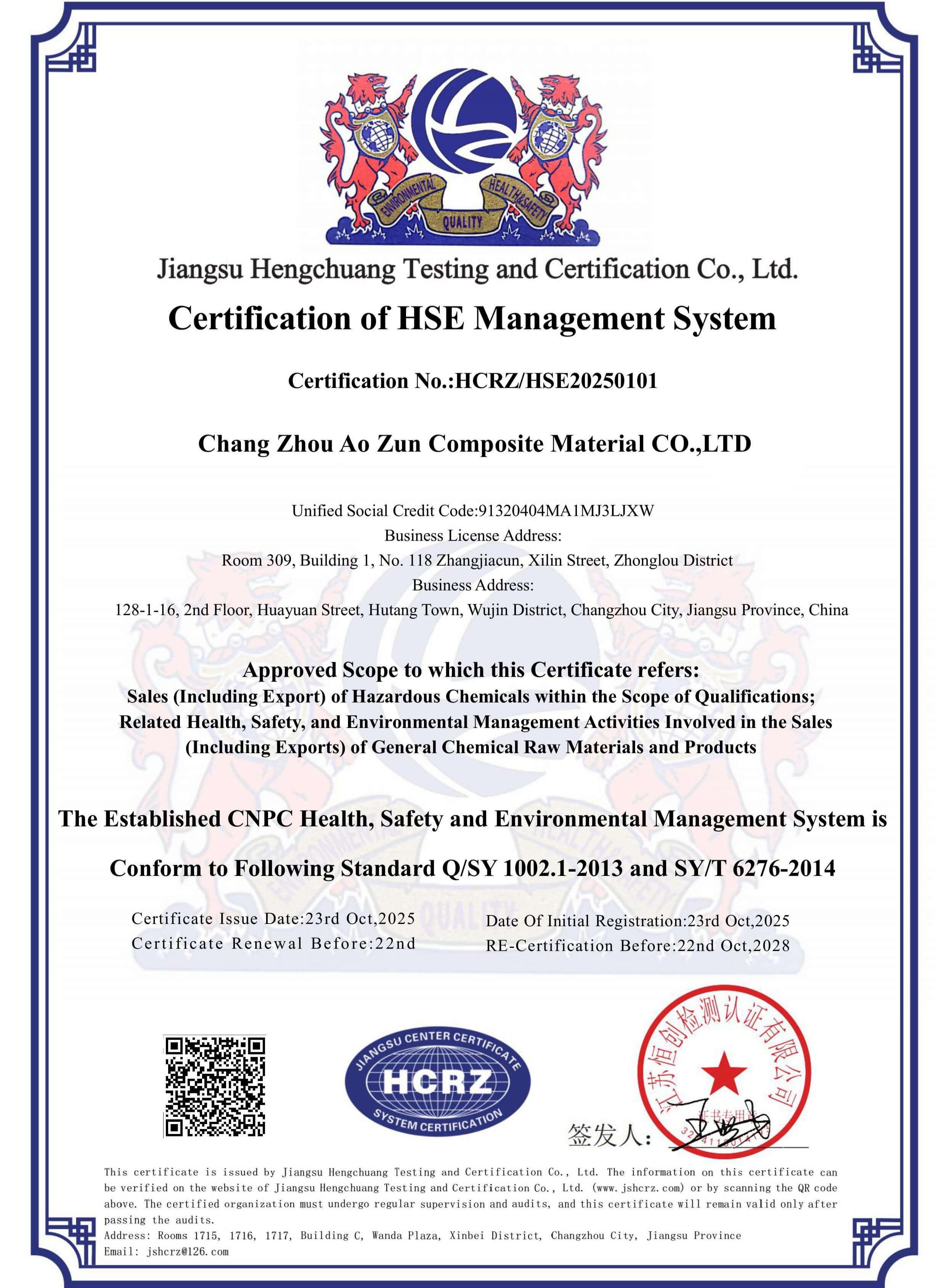
AUTHENTICATION CERTIFICATE

 English
 العربية
 Français
 Русский
 Español
 Português
 Deutsch
 italiano
 日本語
日本語 한국어
한국어 Nederlands
 Tiếng Việt
 ไทย
ไทย Polski
 Türkçe
 አማርኛ
አማርኛ ភាសាខ្មែរ
 Bahasa Melayu
 ဗမာစာ
ဗမာစာ Filipino
 Bahasa Indonesia
 magyar
 Română
 Čeština
 қазақ
қазақ हिन्दी
 فارسی
فارسی Kiswahili
 Slovenčina
 Slovenščina
 Norsk
Norsk Svenska
 українська
 Ελληνικά
 Suomi
Suomi עברית
עברית Latine
 Dansk
Dansk اردو
اردو বাংলা
বাংলা Hrvatski
 Afrikaans
 Eesti keel
 සිංහල
සිංහල latviešu
 Български
 Hausa
Hausa íslenska
 Kurdî
Kurdî Lietuvių
 isiZulu


![3-[(2-Ethylhexyl)oxy]propylamine](http://ijrorwxhlloplm5m.ldycdn.com/cloud/pnBpoKnmlnSRplnkikojip/3-2-Ethylhexyl-oxypropylamine-640-640.png)