Ethyl acetoacetate (EAA) is a classic β-keto ester and one of the most versatile building blocks in organic synthesis. Thanks to its active methylene group flanked by two carbonyl functions, EAA readily undergoes Knoevenagel condensations, Michael additions, and acylation reactions, making it indispensable in pharmaceutical intermediates, agrochemical synthesis, and flavor & fragrance formulations.
Technical Specifications
| ITEMS | SPECIFICATIONS |
| Appearance | Colorless Bright Liquid |
| Purity | 99.0% min |
| Water | 0.1% max |
| Acidity | 0.1% max |
| Density | 1.020-1.030 |
| Color (Apha) | 15 max |
Packaging & Storage
Net weight 200kg drum or 1000kg IBC Tank.
Store in a cool, dry, well-ventilated area away from strong oxidizers, strong bases, and heat sources.
Key Applications of Ethyl Acetoacetate (EAA)
Pharmaceutical Intermediates
Core starting material for the synthesis of APIs
Agrochemicals
Used in the production of modern herbicides, fungicides, and insecticides (e.g., pyrazole and triazole derivatives)
Flavor & Fragrance
Imparts fruity, rum-like, and cognac notes; GRAS status when produced under food-grade conditions
Dyes & Pigments
Precursor for azo dyes and heterocyclic pigment intermediates
Solvent & Specialty Chemicals
High-boiling, low-toxicity solvent for coatings and inks
Frequently Asked Questions (FAQs)
Q: What is the difference between Ethyl Acetoacetate and Methyl Acetoacetate?
A: Ethyl acetoacetate (EAA) has an ethyl ester group, while methyl acetoacetate (MAA) has a methyl ester. EAA is more commonly used industrially due to lower cost and easier handling. MAA is sometimes preferred in reactions requiring higher reactivity or lower boiling byproducts.
Q: Why does EAA smell fruity?
A: The characteristic sweet, fruity, rum-like odor comes from its enol tautomer and trace volatile impurities formed during storage.
Q: Is methyl pyruvate stable at room temperature?
A: It is stable when stored at 2–8 °C in a sealed container protected from light. At room temperature it slowly decomposes or polymerizes, especially if exposed to moisture or air.
Q: Can I use methyl pyruvate in food or cosmetic formulations?
A: Methyl pyruvate is FEMA GRAS (No. 2673) as a synthetic flavoring substance when used within FDA limits (21 CFR 172.515). For cosmetic use, confirm compliance with regional regulations (e.g., EU Cosmetics Regulation, China IECIC).
Q: What solvents is methyl pyruvate miscible with?
A: Fully miscible with ethanol, acetone, diethyl ether, dichloromethane, and most organic solvents. Limited solubility in water.
Where can I buy high-quality Ethyl Acetoacetate (EAA)?
You can contact us via Email lisa@aozunchem.com or WhatsApp +86-18651215887 for offers and bulk orders.
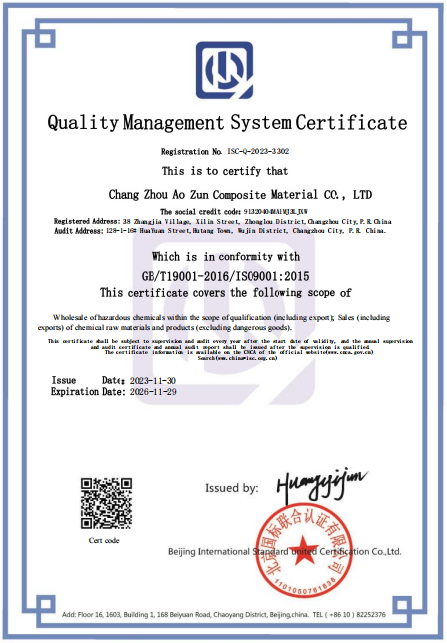
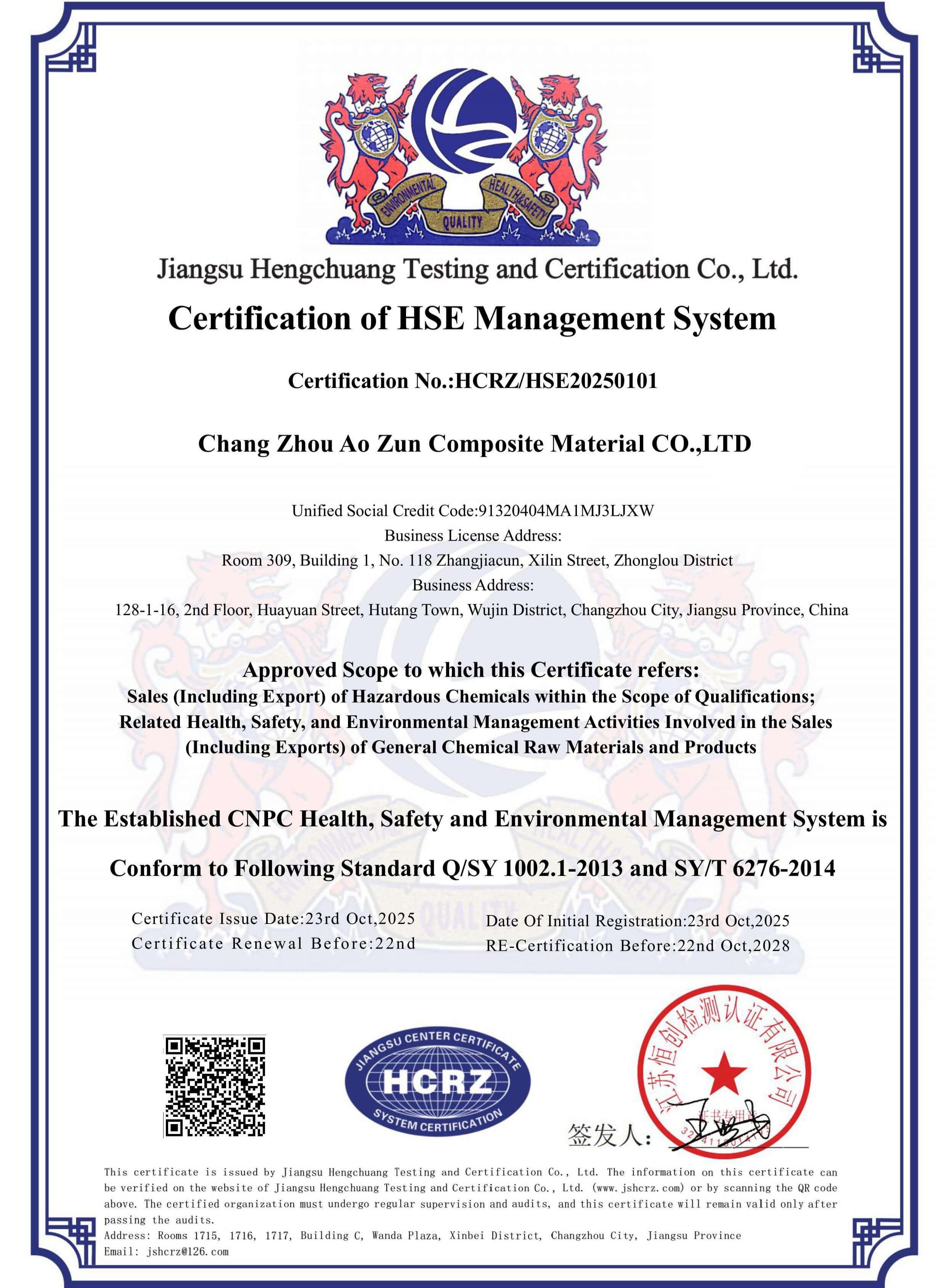
AUTHENTICATION CERTIFICATE

 English
 العربية
 Français
 Русский
 Español
 Português
 Deutsch
 italiano
 日本語
日本語 한국어
한국어 Nederlands
 Tiếng Việt
 ไทย
ไทย Polski
 Türkçe
 አማርኛ
አማርኛ ភាសាខ្មែរ
 Bahasa Melayu
 ဗမာစာ
ဗမာစာ Filipino
 Bahasa Indonesia
 magyar
 Română
 Čeština
 қазақ
қазақ हिन्दी
 فارسی
فارسی Kiswahili
 Slovenčina
 Slovenščina
 Norsk
Norsk Svenska
 українська
 Ελληνικά
 Suomi
Suomi עברית
עברית Latine
 Dansk
Dansk اردو
اردو বাংলা
বাংলা Hrvatski
 Afrikaans
 Eesti keel
 සිංහල
සිංහල latviešu
 Български
 Hausa
Hausa íslenska
 Kurdî
Kurdî Lietuvių
 isiZulu


![3-[(2-Ethylhexyl)oxy]propylamine](http://ijrorwxhlloplm5m.ldycdn.com/cloud/pnBpoKnmlnSRplnkikojip/3-2-Ethylhexyl-oxypropylamine-640-640.png)