P-Phenylenediamine (PPD) is a high-purity aromatic amine widely recognized as the most effective and commonly used primary intermediate in oxidative (permanent) hair dye formulations. When combined with couplers and hydrogen peroxide, PPD produces intense, long-lasting color results across the full shade spectrum from blonde to black. It is also used in dyeing furs, textiles (especially para-aramid fibers), rubber chemicals, and as a photographic developing agent.
Technical Specification
| ITEMS | SPECIFICATIONS |
| Appearance | White Crystal or flake |
| GC Purity | ≥99.9% |
| Aniline | ≤50 ppm |
| O-aminophenol | ≤500 ppm |
| P-chloroaniline | ≤200 ppm |
| O-phenylenediamine | ≤200 ppm |
| M-phenylenediamine | ≤200 ppm |
Packaging and Storage
Packed in 200kgs drum, 25kgs fibre drums.
Store in a cool, dry, well-ventilated area away from oxidizing agents and direct sunlight.
Applications of P-Phenylenediamine (PPD)
Permanent hair dyes (primary intermediate)
Fur and leather dyeing
Rubber antioxidant and antiozonant intermediate
Polymerization inhibitor in acrylic monomers
Photographic developer
Laboratory reagent and chemical synthesis
Frequently Asked Questions (FAQs)
Q: Is P-Phenylenediamine (PPD) safe for use in hair dyes?
A: When used according to regulatory guidelines (≤ 2% in final oxidative mixture) and applied by trained professionals with proper patch testing, PPD is considered safe by EU SCCS, FDA, and CIR. It remains the gold-standard intermediate for achieving vibrant, fade-resistant permanent hair color.
Q: Why does PPD cause allergic reactions in some people?
A: PPD is a potent skin sensitizer (classified Skin Sens. 1). Approximately 1–6% of the population may develop contact allergy after repeated exposure. A 48-hour patch test is mandatory in many countries before first-time use.
Q: Are there PPD-free permanent hair dye alternatives?
A: Yes, alternatives such as toluene-2,5-diamine sulfate (PTDS) or hydroxyethyl-p-phenylenediamine sulfate (HEPP) are used in "PPD-free" formulations, though they may provide slightly different shade performance and longevity.
Q: Can PPD be used in semi-permanent or temporary dyes?
A: No. PPD requires oxidation with hydrogen peroxide to develop color and only works in permanent (two-component) oxidative dyes.
Q: What is the difference between PPD and Para-Aminophenol (PAP)?
A: Both are primary intermediates, but PPD produces cooler, ashier tones and deeper blacks, while PAP is typically used for warmer red and copper shades.
Where can I buy high-quality P-Phenylenediamine (PPD)?
You can contact us via Email lisa@aozunchem.com or WhatsApp +86-18651215887 for offers and bulk orders.
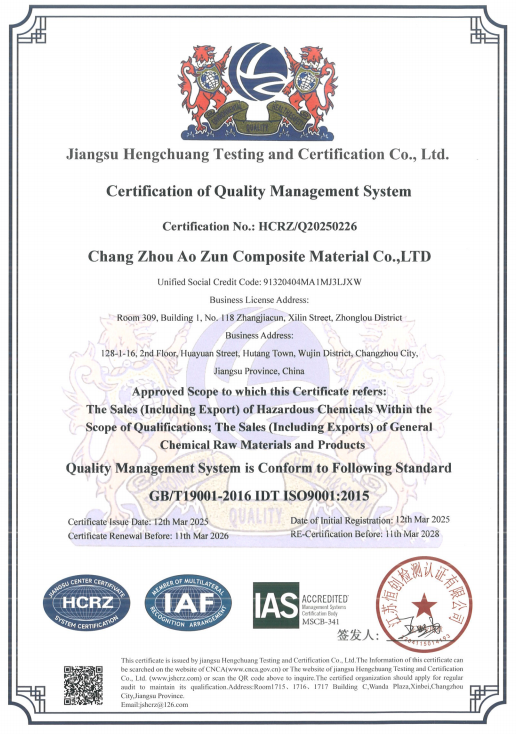
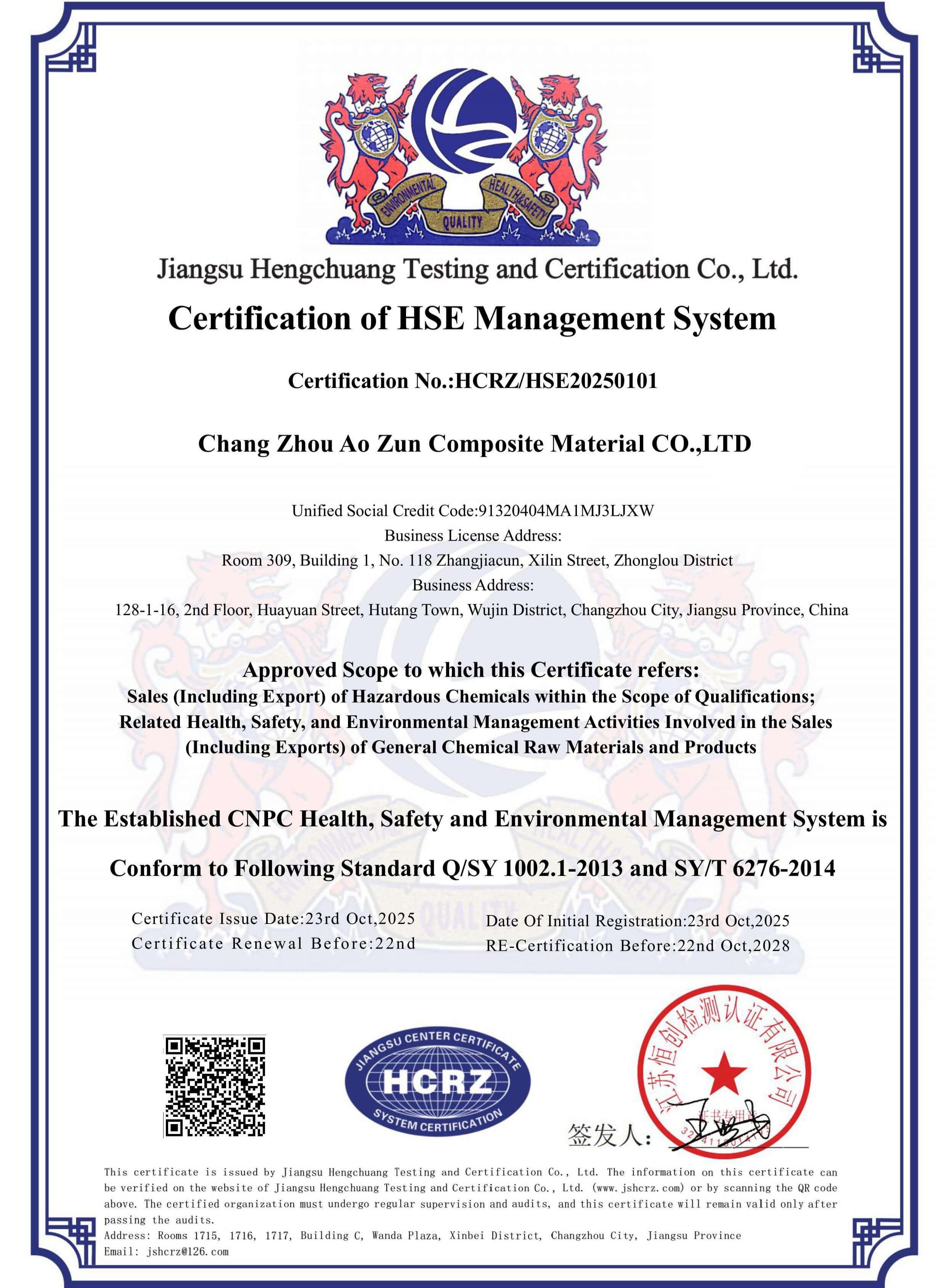
AUTHENTICATION CERTIFICATE

 English
 العربية
 Français
 Русский
 Español
 Português
 Deutsch
 italiano
 日本語
日本語 한국어
한국어 Nederlands
 Tiếng Việt
 ไทย
ไทย Polski
 Türkçe
 አማርኛ
አማርኛ ភាសាខ្មែរ
 Bahasa Melayu
 ဗမာစာ
ဗမာစာ Filipino
 Bahasa Indonesia
 magyar
 Română
 Čeština
 қазақ
қазақ हिन्दी
 فارسی
فارسی Kiswahili
 Slovenčina
 Slovenščina
 Norsk
Norsk Svenska
 українська
 Ελληνικά
 Suomi
Suomi עברית
עברית Latine
 Dansk
Dansk اردو
اردو বাংলা
বাংলা Hrvatski
 Afrikaans
 Eesti keel
 සිංහල
සිංහල latviešu
 Български
 Hausa
Hausa íslenska
 Kurdî
Kurdî Lietuvių
 isiZulu