Pyrogallic Acid, commonly known as Pyrogallol, is a versatile organic compound and one of the three isomers of benzenetriol. It appears as a white to off-white crystalline powder that may turn brownish upon exposure to air due to its high sensitivity to oxygen, widely used in analytical chemistry, photography, and industrial applications where a strong reducing agent is required.
Technical Specifications
| ITEMS | SPECIFICATIONS |
| Industrial Grade | CP Grade (chemically pure) | AR Level (analytic pure) |
| Appearance | white powder | white powder | white powder |
| content | ≥99.00% | ≥99.50% | ≥99.80% |
| Water Solubility | clear and transparent | clear and transparent | clear and transparent |
| Melting Point | 131-135℃ | 132-135℃ | 132-135℃ |
| Residue on Ignition | ≤0.025% | ≤0.02% | ≤0.02% |
| Chloride | ≤0.002% | ≤0.001% | ≤0.001% |
| Sulfate | ≤0.005% | ≤0.005% | ≤0.005% |
| Heavy metal | ≤5.0 ppm | ≤5.0 ppm | ≤5.0 ppm |
Packaging and Storage
Packed in cardboard drums, net weight 25 kg per drum.
Avoid moisture and light, sealed tightly, no contact with metal.
Primary Applications of Pyrogallic Acid
Pyrogallic Acid serves as a powerful reducing agent and has been valued across multiple industries for centuries:
Photographic Developing:
Historically the primary developer in black-and-white photography; still used in specialized formulas such as PMK (Pyrogallol-Metol-Kodalk) developers for fine-art and alternative-process photography.
Analytical Chemistry:
Employed in alkaline solutions as an oxygen absorbent for gas analysis (e.g., Orsat apparatus).
Hair Dyes and Cosmetics:
Used for its coloring and antiseptic properties in certain formulations.
Pharmaceuticals and Antioxidants:
Acts as an intermediate or reducing agent in synthesis and dermatological preparations.
Industrial Uses:
Corrosion inhibitor, dye intermediate, and in the production of other specialty chemicals.
Other Uses:
Wood staining, antiseptic applications, and as a reagent in organic synthesis.
Frequently Asked Questions (FAQs)
Q: What is Pyrogallic Acid (Pyrogallol)?
A: Pyrogallic Acid, also called Pyrogallol or 1,2,3-Trihydroxybenzene (CAS 87-66-1), is a polyhydroxy phenol compound with strong reducing properties. It is produced by decarboxylation of gallic acid and is known for its sensitivity to oxygen, which causes it to darken over time.
Q: What are the main uses of Pyrogallic Acid today?
A: While historically dominant in photographic developers, modern uses include oxygen absorption in gas analysis, intermediates in dye and pharmaceutical synthesis, hair dye formulations, antioxidants, and specialized fine-art photography developers like PMK.
Q: Is Pyrogallic Acid still used in photography?
A: Yes, though largely replaced by hydroquinone in mainstream applications, it remains popular in alternative and fine-art photography for its unique tonal characteristics in pyro-based developers.
Q: How should Pyrogallic Acid be stored?
A: Store in airtight, light-resistant containers under inert gas or in a cool, dry place to minimize oxidation. Avoid exposure to air, moisture, and light.
Q: Is Pyrogallic Acid safe to handle?
A: It is harmful if ingested, inhaled, or absorbed through skin and can cause irritation. Always use PPE and follow SDS instructions. It is not intended for consumer use without proper training.
Contact Us
For COA, TDS, MSDS or other products, please contact us at:
Email: lisa@aozunchem.com
WhatsApp: +86-186 5121 5887
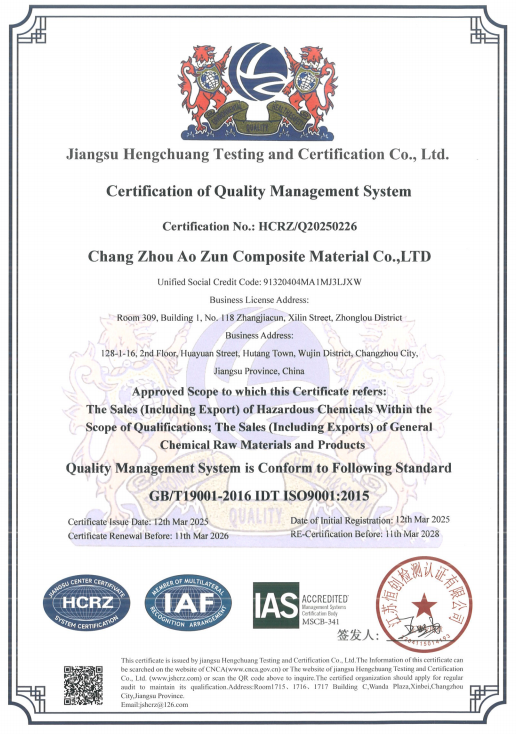
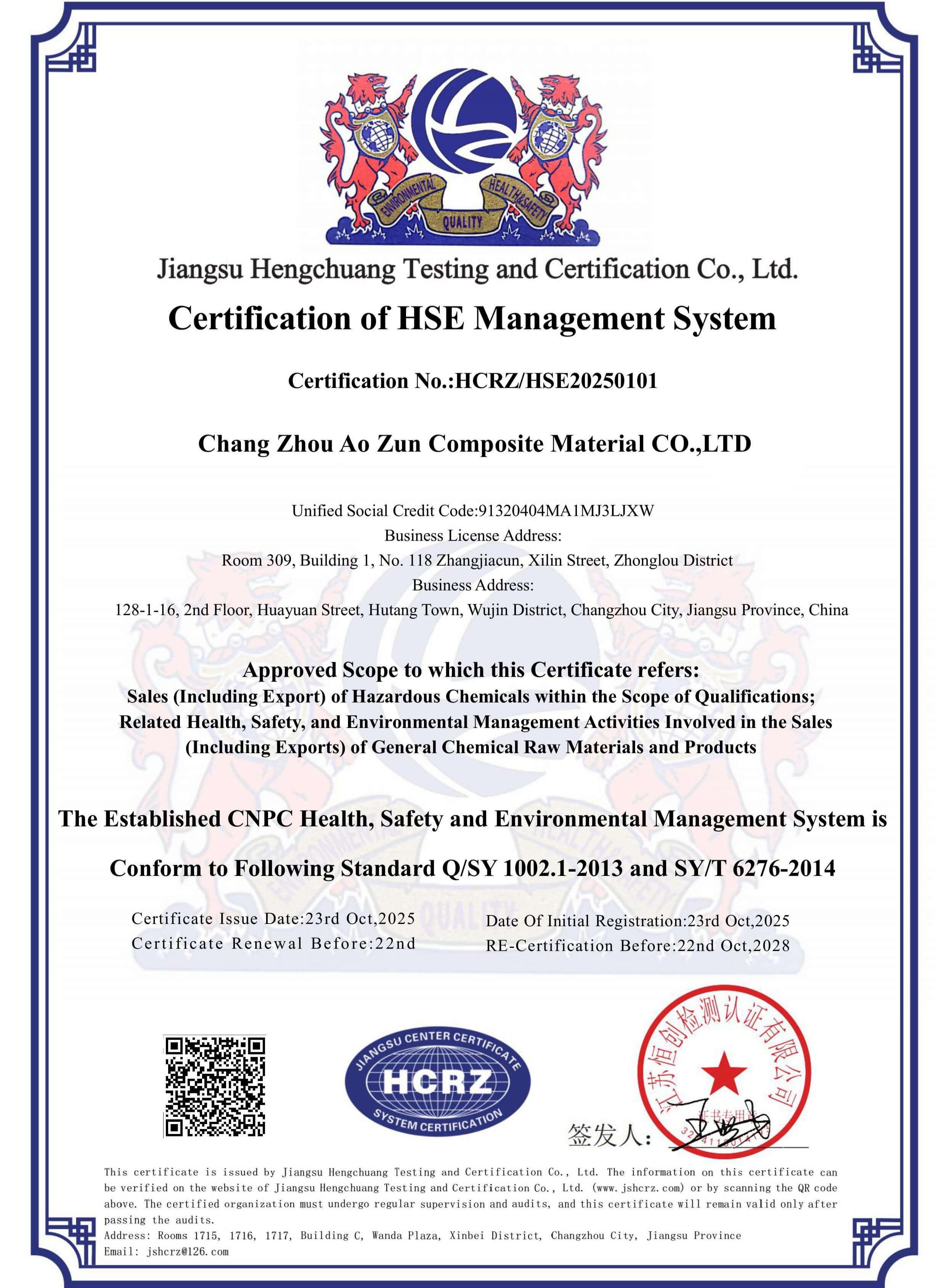
AUTHENTICATION CERTIFICATE

 English
 العربية
 Français
 Русский
 Español
 Português
 Deutsch
 italiano
 日本語
日本語 한국어
한국어 Nederlands
 Tiếng Việt
 ไทย
ไทย Polski
 Türkçe
 አማርኛ
አማርኛ ភាសាខ្មែរ
 Bahasa Melayu
 ဗမာစာ
ဗမာစာ Filipino
 Bahasa Indonesia
 magyar
 Română
 Čeština
 қазақ
қазақ हिन्दी
 فارسی
فارسی Kiswahili
 Slovenčina
 Slovenščina
 Norsk
Norsk Svenska
 українська
 Ελληνικά
 Suomi
Suomi עברית
עברית Latine
 Dansk
Dansk اردو
اردو বাংলা
বাংলা Hrvatski
 Afrikaans
 Eesti keel
 සිංහල
සිංහල latviešu
 Български
 Hausa
Hausa íslenska
 Kurdî
Kurdî Lietuvių
 isiZulu