N-Methylmorpholine N-Oxide (NMMO) is a versatile heterocyclic amine oxide widely recognized for its excellent solvent properties, particularly in dissolving cellulose without chemical derivatization. This organic compound serves as a key reagent in organic synthesis and is the primary solvent in the environmentally friendly Lyocell process for producing regenerated cellulose fibers such as Lyocell.
Technical Specifications
| ITEMS | SPECIFICATIONS (SOLID) | SPECIFICATIONS (LIQUID) |
| Appearance | White Crystalline Powder | Colorless to slightly yellow transparent liquid |
| Assay | 94% | 50% |
Key Features and Benefits of N-Methylmorpholine N-Oxide (NMMO)
Direct Cellulose Solvent:
Dissolves cellulose efficiently without derivatization, enabling sustainable fiber production.
Environmentally Friendly:
Low volatility and high recyclability make NMMO a preferred solvent in green manufacturing processes.
High Chemical Stability:
Suitable for high-temperature and industrial processing environments.Excellent Solvency:Effective for cellulose, hemicellulose, and certain polymers.
Versatile Applications:
Used across textiles, pharmaceuticals, chemical synthesis, and academic research.
Primary Applications of N-Methylmorpholine N-Oxide (NMMO)
Textile Industry (Lyocell Process):
NMMO is the core solvent in the production of Lyocell fibers, a sustainable alternative to viscose rayon. It dissolves cellulose pulp to form a "dope" solution, which is extruded and regenerated in a water bath. The process is closed-loop, recovering over 99% of the solvent, minimizing environmental impact.
Organic Synthesis:
Acts as a stoichiometric co-oxidant in reactions such as osmium tetroxide-catalyzed dihydroxylation (Upjohn process), Sharpless asymmetric dihydroxylation, and TPAP oxidations.
Biomass Pretreatment:
Used for dissolving lignocellulosic materials and scleroproteins.Other Uses:Catalyst in silylcyanation of aldehydes/ketones and foaming agent in polyester plastics.
Frequently Asked Questions (FAQs)
Q: What is N-Methylmorpholine N-Oxide (NMMO)?
A: NMMO is an organic amine oxide compound used primarily as a solvent for cellulose in the Lyocell fiber production process and as a co-oxidant in organic chemistry reactions.
Q: How does NMMO work in the Lyocell process?
A: NMMO dissolves cellulose pulp directly (without derivatization) by breaking intermolecular hydrogen bonds, forming a viscous dope. This dope is spun into fibers and regenerated in a water bath, with NMMO recovered and recycled.
Q: Is NMMO supplied as a solid or solution?
A: NMMO is commonly supplied as a solid or as an aqueous solution (typically 50–60%), depending on customer requirements.
Q: Is NMMO environmentally friendly?
A: Yes. NMMO is considered a green solvent because it can be recovered and recycled at high rates and does not require chemical derivatization of cellulose.
Q: How should NMMO be stored?
A: It should be stored in a cool, dry place, protected from moisture and direct sunlight, with containers tightly sealed.
Q: Why choose NMMO over other cellulose solvents?
A: It allows direct dissolution of cellulose, enables high solvent recovery, and supports sustainable, non-toxic production of high-quality regenerated fibers.
Contact Us
For price, COA, TDS or related products, please contact us at:
Email: lisa@aozunchem.com
WhatsApp: +86-18651215887
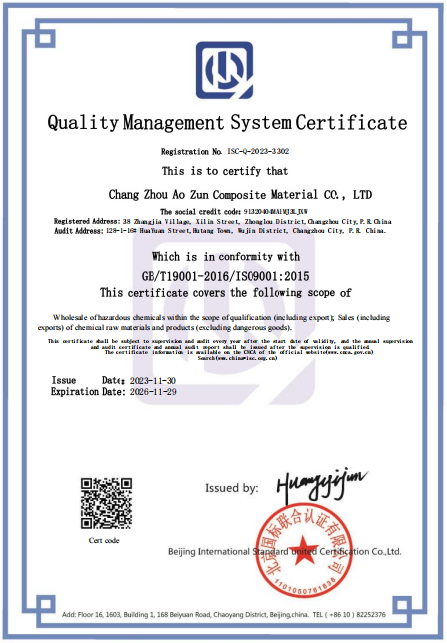
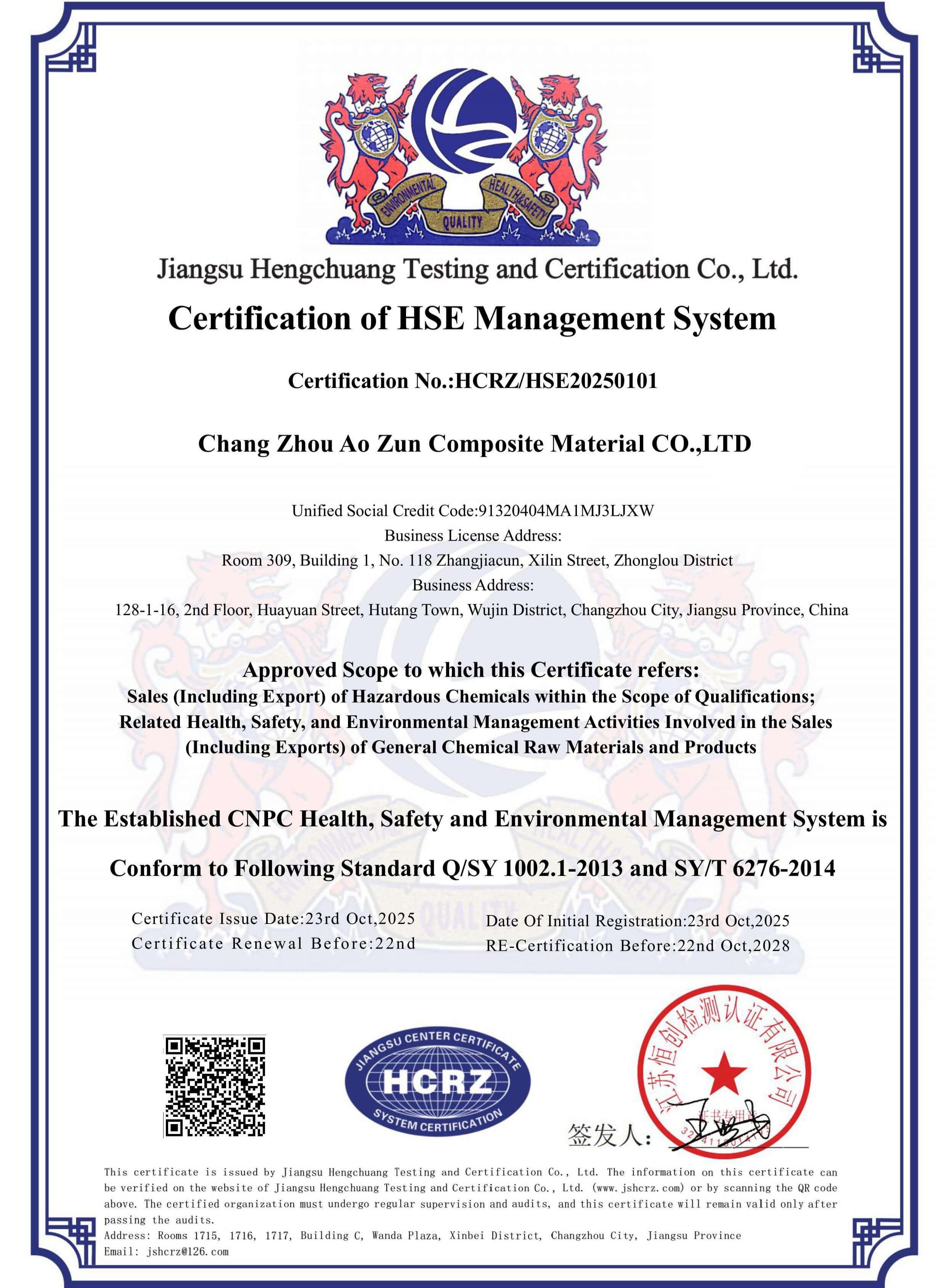
AUTHENTICATION CERTIFICATE

 English
 العربية
 Français
 Русский
 Español
 Português
 Deutsch
 italiano
 日本語
日本語 한국어
한국어 Nederlands
 Tiếng Việt
 ไทย
ไทย Polski
 Türkçe
 አማርኛ
አማርኛ ភាសាខ្មែរ
 Bahasa Melayu
 ဗမာစာ
ဗမာစာ Filipino
 Bahasa Indonesia
 magyar
 Română
 Čeština
 қазақ
қазақ हिन्दी
 فارسی
فارسی Kiswahili
 Slovenčina
 Slovenščina
 Norsk
Norsk Svenska
 українська
 Ελληνικά
 Suomi
Suomi עברית
עברית Latine
 Dansk
Dansk اردو
اردو বাংলা
বাংলা Hrvatski
 Afrikaans
 Eesti keel
 සිංහල
සිංහල latviešu
 Български
 Hausa
Hausa íslenska
 Kurdî
Kurdî Lietuvių
 isiZulu