Levulinic Acid, also known as 4-Oxopentanoic Acid, is an organic compound with the chemical formula C₅H₈O₃. It is classified as a keto acid and appears as white crystalline flakes that melt into a clear yellowish liquid. With a mild caramellic odor, it is highly soluble in water, alcohols, and oils, making it easy to incorporate into formulations.
Technical Specifications
| ITEMS | SPECIFICATION |
| Appearance | clear yellowish liquid (≥30°C), white crystals (≤25°C) |
| Purity | ≥99.0% |
| Fe | ≤3ppm |
| Cl | ≤20ppm |
| SO₄⊃2;⁻ | ≤20ppm |
| Moisture | ≤1.0% |
| Hazen (Gardner) | ≤2 |
Packaging and Storage
Net weight 25kg/200kg plastic drum or 1000kg IBC drum.
Store in a dry, cool and ventilated warehouse.
Benefits of Using Levulinic Acid
Sustainability: Derived from biomass degradation, it supports climate-friendly production and reduces carbon footprints.
Versatility: With applications spanning from biofuels to fragrances, it provides cost-effective solutions for diverse needs.
High Solubility and Stability: Easily integrates into aqueous and organic systems, enhancing formulation efficiency.
Safety Profile: Naturally occurring with low toxicity, making it suitable for food and cosmetic uses when handled properly.
Economic Value: As a building block for high-value chemicals, it offers strong return on investment for manufacturers
Applications of Levulinic Acid
Levulinic Acid is a versatile building block with drop-in and novel uses across multiple sectors. Here are some key applications:
Pharmaceuticals:
Used as an intermediate in drug synthesis, leveraging its keto acid structure for creating active pharmaceutical ingredients.
Agrochemicals and Flavors/Fragrances:
Serves as a precursor for agrochemicals and enhances aromas in perfumes and food products due to its pleasant scent and stability.
Polymers and Plastics:
Essential in producing nylon, synthetic rubber, and biodegradable plastics, promoting sustainable material development.
Biofuels:
Acts as a precursor to biofuels like ethyl levulinate, supporting renewable energy initiatives.
Cosmetics and Food Additives:
Functions as a flavoring agent in animal feeds, cosmetics, and food products, improving palatability and shelf life.
Other Industrial Uses:
Employed in the synthesis of specialty chemicals, including those for medicine and dentistry.
Its eco-friendly properties make it ideal for green chemistry practices, reducing reliance on fossil-based alternatives.
Frequently Asked Questions (FAQs)
Q: What is Levulinic Acid?
A: Levulinic Acid is an organic keto acid with the formula C₅H₈O₃, derived from cellulose degradation. It is a white crystalline solid that melts into a liquid and is used as a versatile chemical intermediate.
Q: What are the main applications of Levulinic Acid?
A: It is widely used in pharmaceuticals, agrochemicals, polymers, biofuels, flavors, fragrances, and cosmetics.
Q: How is Levulinic Acid produced?
A: It is typically produced from renewable biomass sources like cellulose through acid hydrolysis, making it a sustainable alternative to petroleum-based chemicals.
Q: How should Levulinic Acid be stored?
A: Store in a cool, dry place away from direct sunlight. It is hygroscopic, so keep containers tightly sealed to prevent moisture absorption.
Contact Us
For COA, TDS, MSDS or other products, please contact us at:
Email: lisa@aozunchem.com
WhatsApp: +86-18651215887
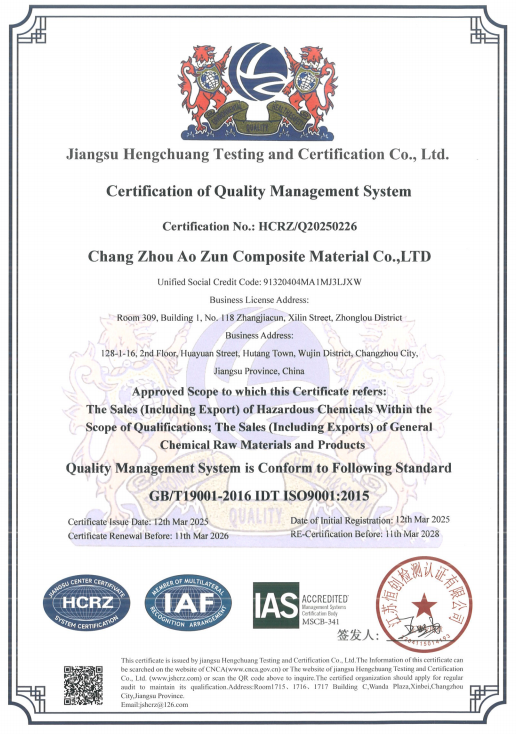
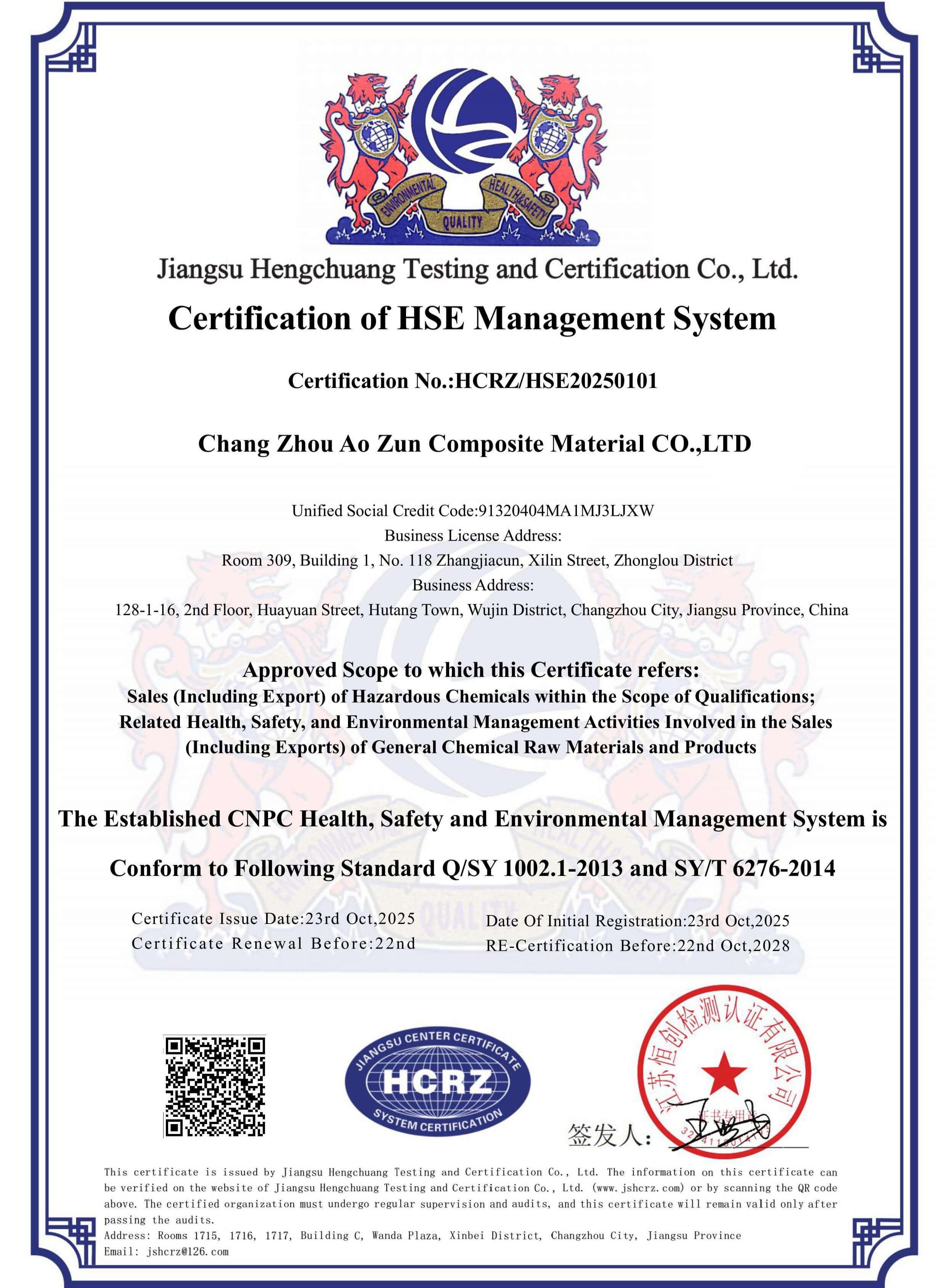
AUTHENTICATION CERTIFICATE

 English
 العربية
 Français
 Русский
 Español
 Português
 Deutsch
 italiano
 日本語
日本語 한국어
한국어 Nederlands
 Tiếng Việt
 ไทย
ไทย Polski
 Türkçe
 አማርኛ
አማርኛ ភាសាខ្មែរ
 Bahasa Melayu
 ဗမာစာ
ဗမာစာ Filipino
 Bahasa Indonesia
 magyar
 Română
 Čeština
 қазақ
қазақ हिन्दी
 فارسی
فارسی Kiswahili
 Slovenčina
 Slovenščina
 Norsk
Norsk Svenska
 українська
 Ελληνικά
 Suomi
Suomi עברית
עברית Latine
 Dansk
Dansk اردو
اردو বাংলা
বাংলা Hrvatski
 Afrikaans
 Eesti keel
 සිංහල
සිංහල latviešu
 Български
 Hausa
Hausa íslenska
 Kurdî
Kurdî Lietuvių
 isiZulu