Triisobutyl Phosphate (TIBP) is a colorless, odorless, high-purity organophosphorus compound widely used as a high-performance plasticizer, flame retardant, antifoaming agent, and extraction solvent. Thanks to its excellent compatibility with PVC, acrylics, cellulose derivatives, and various synthetic resins, TIBP provides superior flexibility, low-temperature performance, and flame retardancy while maintaining good hydrolysis stability and low volatility.
Technical Specification
| ITEMS | SPECIFICATIONS |
| Appearance | A white, fine, light powder, greasy to touch |
| Assay | ≥99.0% |
| Specific Gravity (20/20℃) | 0.960-0.970 |
| Chroma (Pt-Co) | ≤20 |
| Refractive Index (N20D) | 1.4190-1.4200 |
| Acid Value (as H+,mmol KOH /100g) | ≤0.1 |
| Water Content | ≤0.1% |
Packaging and Storage
Net weight 200kg/iron drum or 1000kg/IBC.
Handle with care, no vigorous strike is permitted.Deposited in shady, airy and dry warehouse. Keep away from fire and rain.
Applications of Triisobutyl Phosphate (TIBP)
Flame-Retardant Plasticizer:
Widely used in vinyl resins, cellulose nitrate, synthetic rubber, and PVC as a primary or secondary plasticizer with excellent fire resistance.
Defoamer/Antifoaming Agent:
Highly effective in coatings, inks, adhesives, and industrial cleaning systems, especially in high-temperature or high-shear environments.
Extraction Solvent & Metal Extractant:
Used in hydrometallurgy for the separation and purification of rare earths, cobalt, nickel, and uranium.
Concrete Additive:
Acts as an air-entraining and water-reducing agent, improving frost resistance and workability of concrete.
Textile & Leather Auxiliary:
Improves softness and flame retardancy in textile and leather treatments.
Advantages of Triisobutyl Phosphate (TIBP)
Lower viscosity and faster evaporation rate
Better low-temperature flexibility
Superior compatibility with acrylics and polyurethane systems
Reduced odor and volatility
Frequently Asked Questions (FAQs)
Q: What is the main difference between TIBP and TBP (Tributyl Phosphate)?
A: TIBP contains branched isobutyl groups instead of straight n-butyl chains. This gives TIBP significantly lower volatility, better low-temperature flexibility, improved hydrolysis resistance, and superior plasticizing efficiency compared to TBP.
Q: Is Triisobutyl Phosphate flammable?
A: TIBP has a high flash point (≥150°C) and is classified as combustible but not readily flammable. It is widely used as a flame retardant.
Q: Does TIBP contain phthalates?
A: No. Triisobutyl phosphate is a phosphate ester and is completely phthalate-free, making it a safer alternative in sensitive applications.
Q: Is TIBP biodegradable?
A: TIBP exhibits moderate biodegradability and low bioaccumulation potential. It is considered environmentally preferable to many chlorinated flame retardants.
Q: Does TIBP have flame-retardant properties on its own?
A: Yes. TIBP is an effective phosphorus-based flame retardant and is commonly used alone or with antimony trioxide or other synergists in PVC and polyurethane systems.
Q: Is TIBP a direct drop-in replacement for phthalate plasticizers?
A: Yes. TIBP is widely used as a non-phthalate alternative to DOP/DEHP in flexible PVC applications, especially where low volatility and flame retardancy are required.
Where can I buy high-quality Triisobutyl Phosphate (TIBP)?
You can contact us via Email lisa@aozunchem.com or WhatsApp +86-18651215887 for offers and bulk orders.
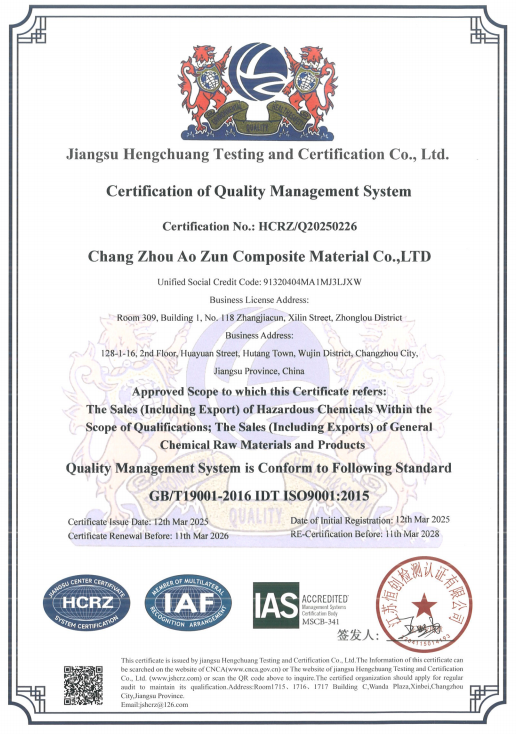
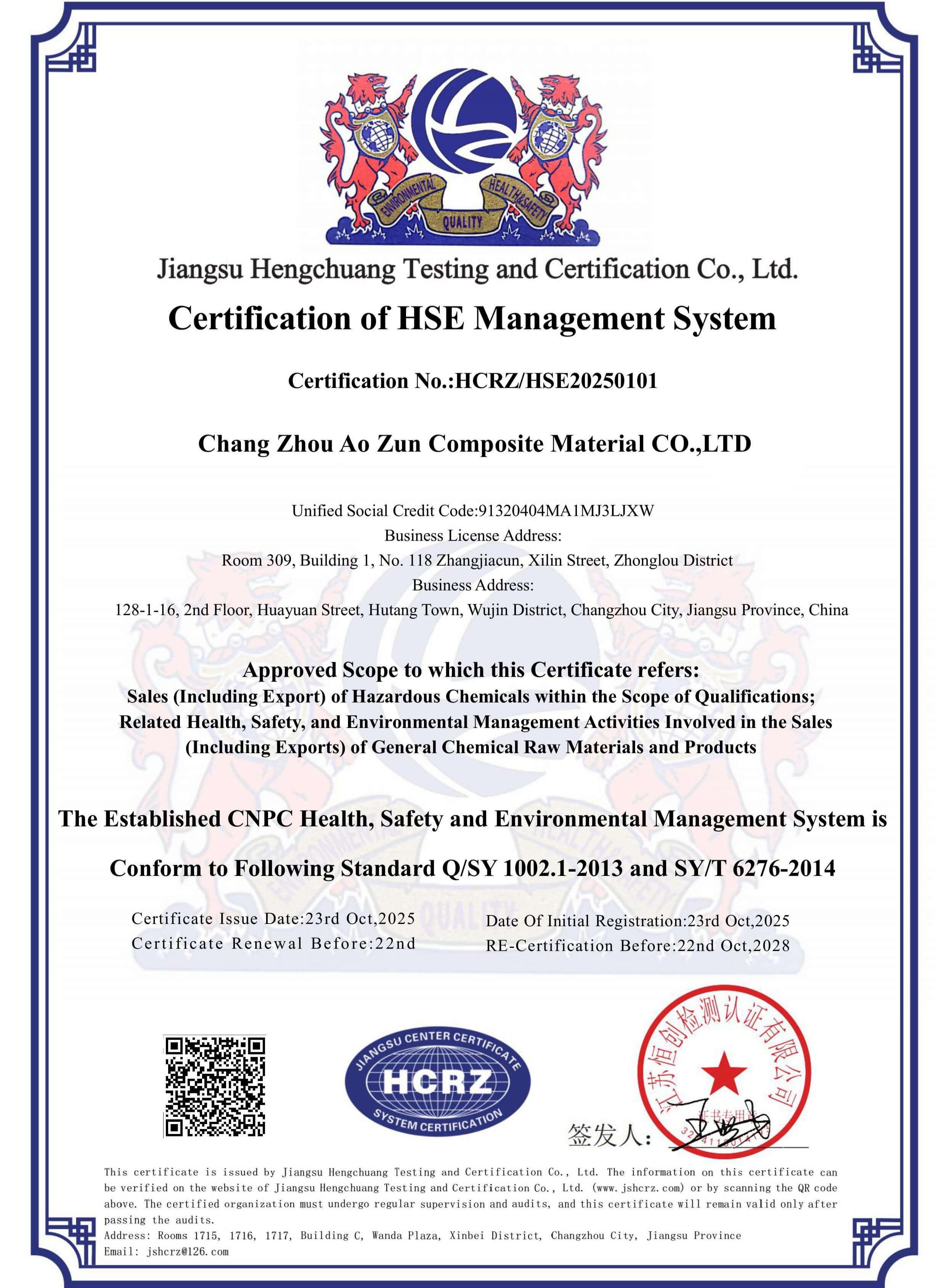
AUTHENTICATION CERTIFICATE

 English
 العربية
 Français
 Русский
 Español
 Português
 Deutsch
 italiano
 日本語
日本語 한국어
한국어 Nederlands
 Tiếng Việt
 ไทย
ไทย Polski
 Türkçe
 አማርኛ
አማርኛ ភាសាខ្មែរ
 Bahasa Melayu
 ဗမာစာ
ဗမာစာ Filipino
 Bahasa Indonesia
 magyar
 Română
 Čeština
 қазақ
қазақ हिन्दी
 فارسی
فارسی Kiswahili
 Slovenčina
 Slovenščina
 Norsk
Norsk Svenska
 українська
 Ελληνικά
 Suomi
Suomi עברית
עברית Latine
 Dansk
Dansk اردو
اردو বাংলা
বাংলা Hrvatski
 Afrikaans
 Eesti keel
 සිංහල
සිංහල latviešu
 Български
 Hausa
Hausa íslenska
 Kurdî
Kurdî Lietuvių
 isiZulu