Gallic Acid is a naturally occurring organic compound, widely used for its antioxidant, anti-inflammatory, and antimicrobial properties. It is typically derived from plants such as oak bark, sumac, and grapes. With its rich antioxidant activity, gallic acid is known for neutralizing harmful free radicals in the body and protecting cells from oxidative stress, which is linked to various chronic diseases and aging processes.
In addition to its health benefits, gallic acid is also used in industrial and cosmetic formulations. Its versatile properties make it ideal for use as a preservative, a flavor enhancer, and even as a dye in various products.
Technical Specifications
| ITEMS | SPECIFICATIONS |
| GA Monohydrate | GA Anhydrous |
| Appearance | White powder | White powder |
| Content | ≥99.0% | ≥99.0% |
| Loss on drying | ≤10% | ≤0.5% |
| Residue on ignition | ≤0.1% | ≤0.1% |
| Chroma | ≤180 | ≤180 |
| Tannic acid | 1.0 ppm | 1.0 ppm |
| Turbidity (50mg/ml Ethon) | Clarify | Clarify |
Packaging and Storage
In woven bag with plastic inside and outside, net weight 25 kg per bag.
Avoid moisture and light, sealed tightly, no contact with metal.
Key Benefits of Gallic Acid
Antioxidant Powerhouse:
Gallic Acid is known for its robust antioxidant properties, helping to protect cells from damage caused by oxidative stress. This makes it a key ingredient in health supplements aimed at preventing aging and chronic diseases.
Anti-Inflammatory Effects:
Studies suggest that gallic acid has strong anti-inflammatory effects, which may help reduce inflammation in the body and alleviate symptoms related to conditions such as arthritis.
Antimicrobial Properties:
Gallic Acid has been shown to possess antimicrobial activity, making it useful in fighting bacterial and fungal infections. It is commonly included in topical treatments for skin conditions.
Cognitive Health Support:
Emerging research suggests that gallic acid may also have neuroprotective effects, potentially supporting cognitive function and memory retention as part of a balanced diet.
Industrial Uses:
In the cosmetic industry, Gallic Acid is used for its ability to protect skin from environmental stressors and improve skin texture. It is also used as a natural preservative in food and beverage formulations.
Rich in Antioxidants for Anti-Aging:
By neutralizing free radicals, Gallic Acid helps maintain youthful skin and protects against the signs of aging, which is why it is often included in anti-aging creams and serums.
Applications of Gallic Acid
Health Supplements:
Gallic Acid is often included in nutritional supplements aimed at improving overall health, promoting cardiovascular health, and reducing oxidative stress.
Cosmetics and Skin Care:
Due to its ability to improve skin health and prevent aging, it is frequently used in creams, serums, and lotions.
Food and Beverage Industry:
As an antioxidant and preservative, Gallic Acid helps extend shelf life and preserve the nutritional quality of products.
Pharmaceuticals:
In the pharmaceutical industry, Gallic Acid's antimicrobial properties make it a useful compound in various topical and oral formulations.
Frequently Asked Questions (FAQs)
Q: What is Gallic Acid used for?
A: Gallic Acid is widely used in supplements, cosmetics, food products, and pharmaceuticals due to its antioxidant, anti-inflammatory, and antimicrobial properties. It helps protect the body against oxidative stress, reduces inflammation, and supports overall health.
Q: Is Gallic Acid safe for topical use?
A: Yes, Gallic Acid is safe for topical use and is commonly included in skincare products for its anti-aging and skin-protective benefits. However, as with any active ingredient, it is recommended to perform a patch test before full application.
Q: Can Gallic Acid help with weight loss?
A: While gallic acid is not specifically marketed for weight loss, its antioxidant and anti-inflammatory effects may contribute to overall health and wellness, which can support weight management as part of a balanced lifestyle.
Q: Is Gallic Acid beneficial for hair care?
A: While not as commonly used in hair care as in skincare, Gallic Acid's antioxidant properties may contribute to a healthy scalp and hair by preventing oxidative damage from environmental factors. It is sometimes included in hair care formulations for its protective benefits.
Q: What is the recommended dosage of Gallic Acid?
A: The recommended dosage of Gallic Acid varies depending on the form (e.g., supplement or topical application) and the specific health goal. Always consult with a healthcare professional before using gallic acid supplements to ensure the proper dosage.
Q: Does Gallic Acid have any side effects?
A: Gallic Acid is generally considered safe when used in appropriate amounts. However, excessive consumption or topical use may cause irritation or digestive upset.
Contact Us
For COA, TDS, MSDS or other products, please contact us at:
Email: lisa@aozunchem.com
WhatsApp: +86-18651215887
AUTHENTICATION CERTIFICATE
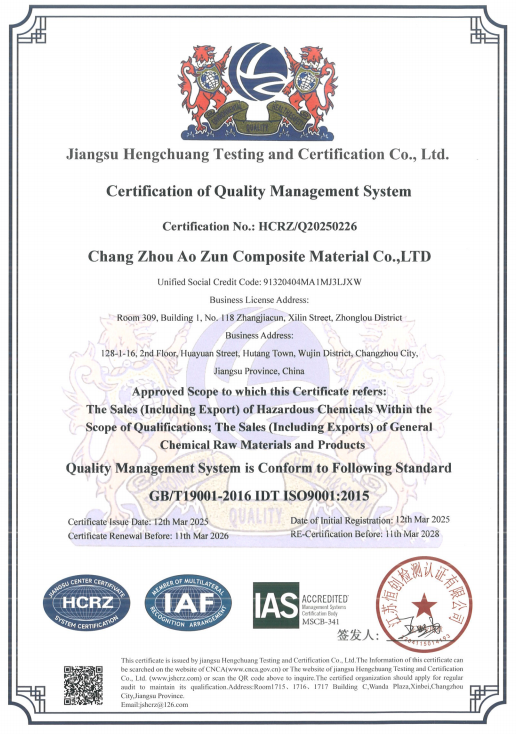
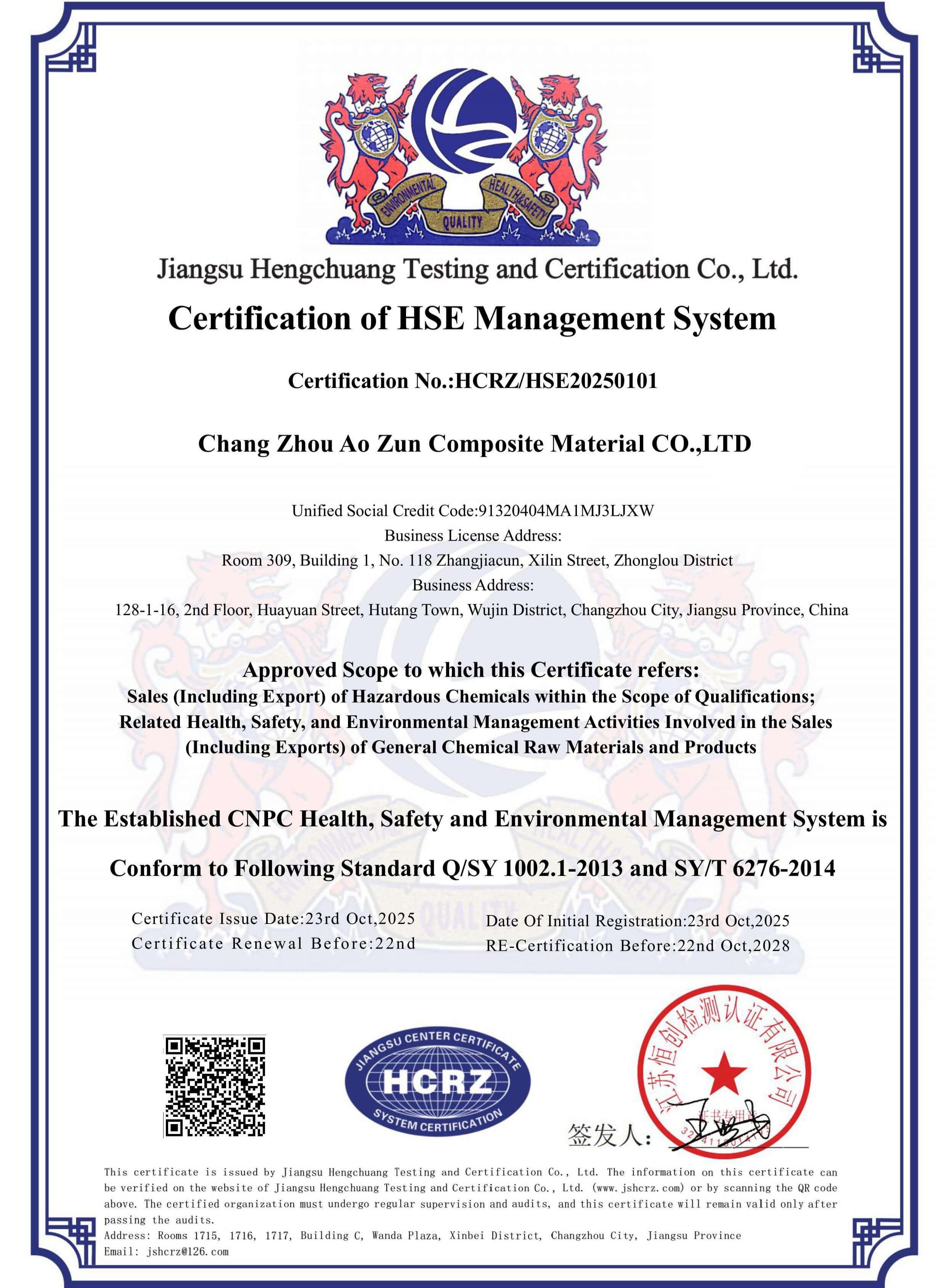

 English
 العربية
 Français
 Русский
 Español
 Português
 Deutsch
 italiano
 日本語
日本語 한국어
한국어 Nederlands
 Tiếng Việt
 ไทย
ไทย Polski
 Türkçe
 አማርኛ
አማርኛ ភាសាខ្មែរ
 Bahasa Melayu
 ဗမာစာ
ဗမာစာ Filipino
 Bahasa Indonesia
 magyar
 Română
 Čeština
 қазақ
қазақ हिन्दी
 فارسی
فارسی Kiswahili
 Slovenčina
 Slovenščina
 Norsk
Norsk Svenska
 українська
 Ελληνικά
 Suomi
Suomi עברית
עברית Latine
 Dansk
Dansk اردو
اردو বাংলা
বাংলা Hrvatski
 Afrikaans
 Eesti keel
 සිංහල
සිංහල latviešu
 Български
 Hausa
Hausa íslenska
 Kurdî
Kurdî Lietuvių
 isiZulu


![3-[(2-Ethylhexyl)oxy]propylamine](http://ijrorwxhlloplm5m.ldycdn.com/cloud/pnBpoKnmlnSRplnkikojip/3-2-Ethylhexyl-oxypropylamine-640-640.png)