Acetyl Tributyl Citrate (ATBC) is a safe, non-toxic, and biodegradable plasticizer widely recognized as a superior phthalate-free alternative to DEHP, DBP, and other traditional ortho-phthalates. Approved by FDA, EU 10/2011, and numerous global regulations, ATBC delivers excellent performance in PVC, PVDC, acrylic coatings, adhesives, inks, and cellulose-based polymers.
Technical Specifications
| ITEMS | SPECIFICATIONS |
| Appearance | Colorless Transparent Liquid |
Color(Pt-Co), Apha | ≤30 |
Content, % | ≥99.0 |
Acidity, mgKOH/g | ≤0.2 |
Water Content, % | ≤0.15 |
Relative Density(25/25℃) | 1.045-1.055 |
Refractive Index(25℃/D) | 1.4410-1.4425 |
Heavy Metal(base on Pb), ppm | ≤10 |
Arsenic(As), ppm | ≤3 |
Packaging & Storage
Packaging: 220kgs drums or 1000kgs IBC.
Storage: Keep in cool, dry, well-ventilated area away from strong oxidizers.

Primary Applications of Acetyl Tributyl Citrate (ATBC)
Food-contact materials (cling film, PVC gloves, sealing gaskets)
Medical devices (blood bags, tubing, IV bags)
Children's toys and childcare articles
Cosmetics and personal care products
Printing inks and adhesives
Cellulose acetate and nitrocellulose coatings
Biodegradable plastics and PLA formulations
Advantages of Acetyl Tributyl Citrate (ATBC)
Non-toxic and phthalate-free
Low migration and extraction rates
Excellent cold flexibility and heat stability
Superior compatibility with PVC and vinyl resins
Odorless and tasteless – ideal for food and medical use
Readily biodegradable
Frequently Asked Questions (FAQs)
Q: Is ATBC considered a phthalate?
A: No. Acetyl Tributyl Citrate (ATBC) is a citrate ester and is universally accepted as a non-phthalate plasticizer.
Q: Can ATBC be used in food-contact applications?
A: Yes. ATBC is approved under FDA 21 CFR and EU 10/2011 for food-contact materials with specific migration limits (SML) of 60 mg/kg.
Q: Is ATBC safe for children’s toys?
A: Yes. ATBC complies with EN 71-3, CPSIA, and REACH Annex XVII requirements for toys and childcare articles.
Q: How does ATBC compare to DEHP in performance?
A: ATBC offers equivalent or better plasticizing efficiency, lower volatility, superior low-temperature flexibility, and significantly lower migration/extraction rates than DEHP.
Q: Can ATBC replace TOTM or DOTP in medical applications?
A: Yes. ATBC is widely used as a non-phthalate alternative to TOTM and DOTP in medical-grade PVC compounds, especially where low extraction is critical.
Q: Does ATBC have any odor or taste?
A: No. ATBC is essentially odorless and tasteless, making it ideal for food packaging and medical products.
Where can I buy high-quality Acetyl Tributyl Citrate (ATBC)?
You can contact us via Email lisa@aozunchem.com or WhatsApp +86-18651215887 for offers and bulk orders.
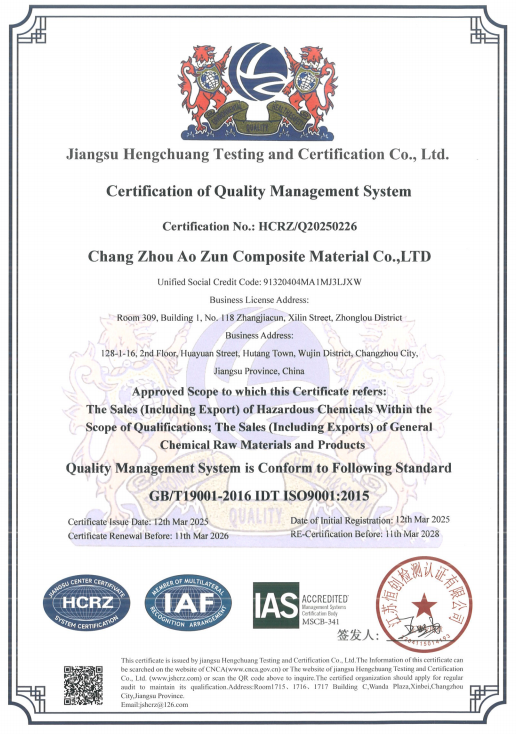
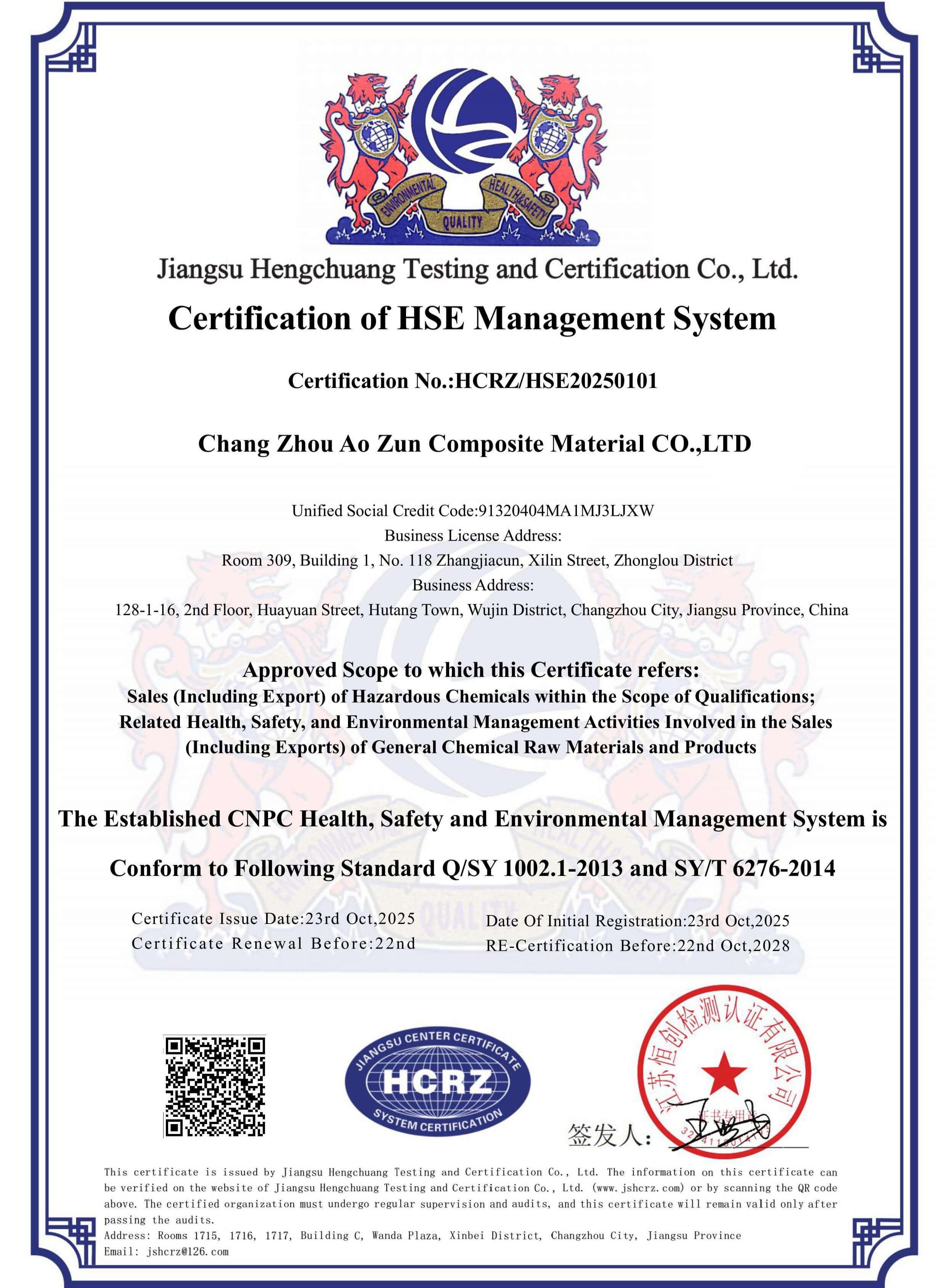
AUTHENTICATION CERTIFICATE

 English
 العربية
 Français
 Русский
 Español
 Português
 Deutsch
 italiano
 日本語
日本語 한국어
한국어 Nederlands
 Tiếng Việt
 ไทย
ไทย Polski
 Türkçe
 አማርኛ
አማርኛ ភាសាខ្មែរ
 Bahasa Melayu
 ဗမာစာ
ဗမာစာ Filipino
 Bahasa Indonesia
 magyar
 Română
 Čeština
 қазақ
қазақ हिन्दी
 فارسی
فارسی Kiswahili
 Slovenčina
 Slovenščina
 Norsk
Norsk Svenska
 українська
 Ελληνικά
 Suomi
Suomi עברית
עברית Latine
 Dansk
Dansk اردو
اردو বাংলা
বাংলা Hrvatski
 Afrikaans
 Eesti keel
 සිංහල
සිංහල latviešu
 Български
 Hausa
Hausa íslenska
 Kurdî
Kurdî Lietuvių
 isiZulu


![3-[(2-Ethylhexyl)oxy]propylamine](http://ijrorwxhlloplm5m.ldycdn.com/cloud/pnBpoKnmlnSRplnkikojip/3-2-Ethylhexyl-oxypropylamine-640-640.png)