tert-Butyl Acetoacetate, also known as TBAA, is an organic ester with CAS Number 1694-31-1. This colorless to pale yellow or slightly yellow clear liquid features a fruity odor and is characterized by its β-ketoester structure, which enables unique reactivity. It is slightly soluble in water but highly soluble in organic solvents like xylene.
TBAA is more sterically hindered than methyl or ethyl acetoacetate analogs, often providing higher reactivity and selectivity in transacetoacetylation and other synthetic transformations.
tert-Butyl Acetoacetate (TBAA), a versatile β-ketoester widely used as a key intermediate in organic synthesis, pharmaceuticals, agrochemicals, and coatings.
Technical Specifications
| ITEMS | SPECIFICATIONS |
| Appearance | Colorless clear liquid |
| Purity | ≥99.0% |
| Acidity | ≤0.2% |
Packaging & Storage
Net weight 200kgs drum or packed in IBCs.
Store in a cool, dry, well-ventilated place, away from ignition sources and incompatible materials. Keep container tightly closed and protected from light.
Benefits and Key Properties of tert-Butyl Acetoacetate (TBAA)
Superior Acetoacetylating Agent:
Efficiently introduces acetoacetyl groups into alcohols, amines, and hydroxyl-bearing resins with high yields.
Mild Reaction Conditions:
The tert-butyl ester allows easy removal of the protecting group via mild acid catalysis or thermal decarboxylation, making it ideal for complex molecule synthesis.
Versatile Reactivity:
Used in the preparation of acyloins, α,β-unsaturated ketones, levulinic esters, and more.
High Stability:
Low moisture and acidity levels ensure consistent performance in sensitive reactions.
Industrial Advantages:
Cost-effective, easy to store, and compatible with various resin systems including polyesters, acrylics, cellulosics, and epoxies.
Applications and Uses of tert-Butyl Acetoacetate (TBAA)
TBAA serves as a critical building block across multiple industries:
Pharmaceutical and Fine Chemical Synthesis
Key intermediate for active pharmaceutical ingredients (APIs) and pharmaceutical intermediates.
Used in the synthesis of heterocycles, pigments, and specialized organic compounds.
Agrochemical Industry
Coatings and Resins
Acetoacetylates hydroxyl-bearing resins (polyesters, acrylics, cellulosics, epoxies) to improve crosslinking, adhesion, and performance in high-quality coatings.
Organic Synthesis
Reagent for acyloin synthesis, preparation of α,β-unsaturated ketones, and transacetoacetylation of polyols.
Building block for Michael additions and other carbon-carbon bond-forming reactions.
Frequently Asked Questions (FAQs)
Q: Is tert-Butyl Acetoacetate (TBAA) suitable for pharmaceutical synthesis?
A: Yes, TBAA is widely used as a high-purity intermediate in pharmaceutical manufacturing and fine chemical production.
Q: How does TBAA compare to ethyl acetoacetate or methyl acetoacetate?
A: TBAA offers greater steric hindrance, often leading to improved selectivity and reactivity in certain acetoacetylation reactions, plus easier removal of the tert-butyl group.
Q: What are the main industrial applications of TBAA?
A: Primary uses include acetoacetylation of resins for coatings, synthesis of pharmaceutical and agrochemical intermediates, and general organic synthesis reactions.
Q: How should TBAA be stored?
A: Store in a cool, dry, well-ventilated area away from ignition sources, strong oxidizers, and bases. Keep containers tightly sealed.
Q: Is TBAA hazardous?
A: It is a combustible liquid. Use standard protective equipment and avoid exposure to heat or open flames.
Contact Us
For COA, TDS, SDS or related products, please contact us at:
Email: lisa@aozunchem.com
WhatsApp: +86-186 5121 5887
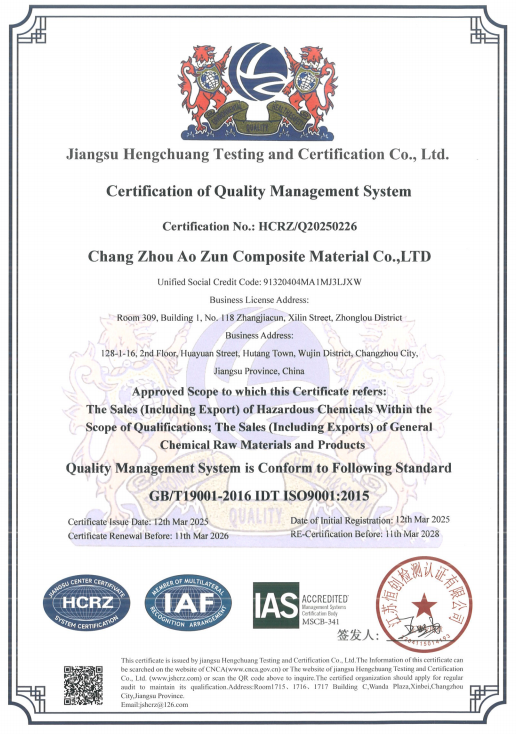
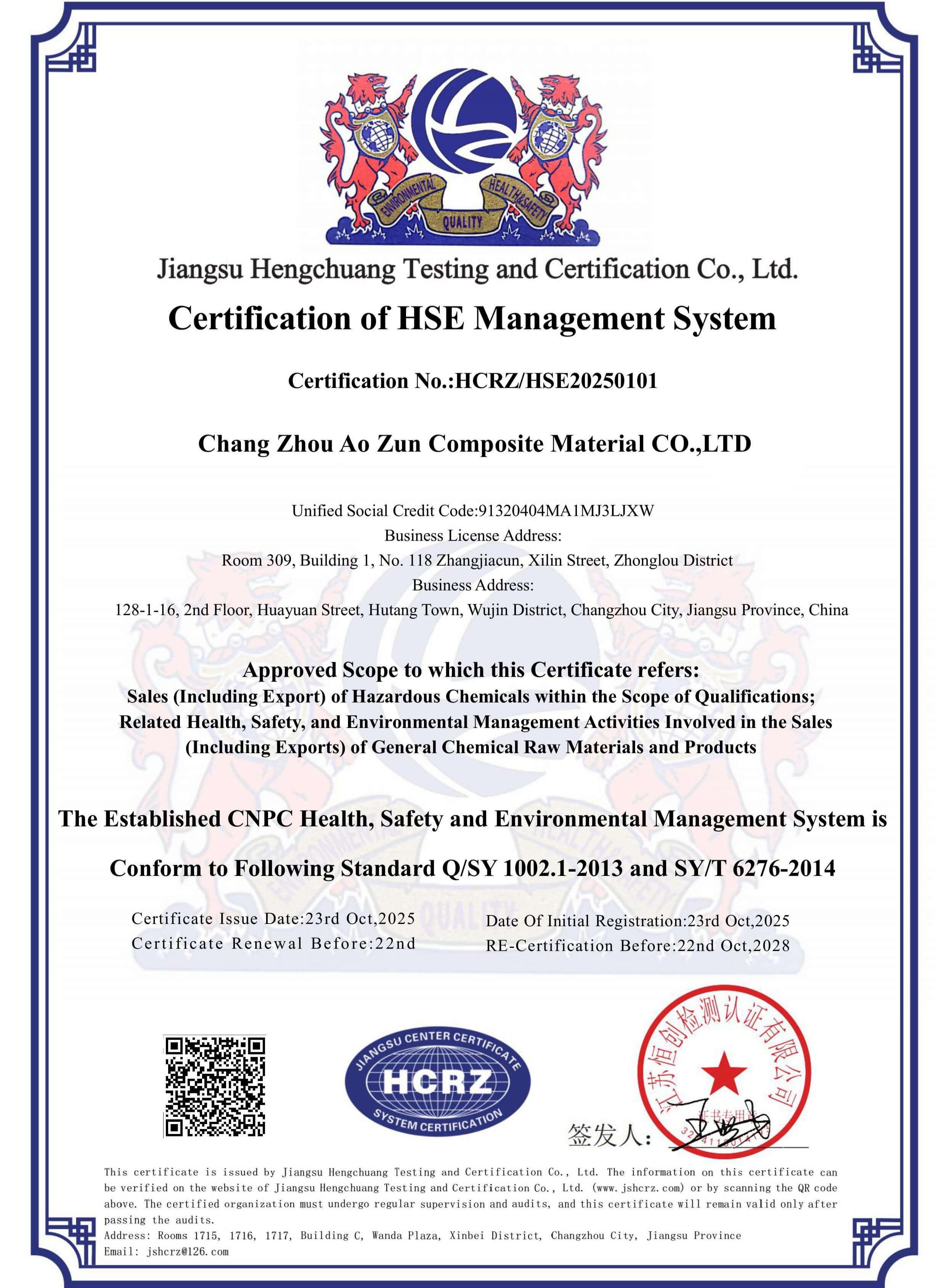
AUTHENTICATION CERTIFICATE

 English
 العربية
 Français
 Русский
 Español
 Português
 Deutsch
 italiano
 日本語
日本語 한국어
한국어 Nederlands
 Tiếng Việt
 ไทย
ไทย Polski
 Türkçe
 አማርኛ
አማርኛ ភាសាខ្មែរ
 Bahasa Melayu
 ဗမာစာ
ဗမာစာ Filipino
 Bahasa Indonesia
 magyar
 Română
 Čeština
 қазақ
қазақ हिन्दी
 فارسی
فارسی Kiswahili
 Slovenčina
 Slovenščina
 Norsk
Norsk Svenska
 українська
 Ελληνικά
 Suomi
Suomi עברית
עברית Latine
 Dansk
Dansk اردو
اردو বাংলা
বাংলা Hrvatski
 Afrikaans
 Eesti keel
 සිංහල
සිංහල latviešu
 Български
 Hausa
Hausa íslenska
 Kurdî
Kurdî Lietuvių
 isiZulu


![3-[(2-Ethylhexyl)oxy]propylamine](http://ijrorwxhlloplm5m.ldycdn.com/cloud/pnBpoKnmlnSRplnkikojip/3-2-Ethylhexyl-oxypropylamine-640-640.png)