Propyl gallate is the propyl ester of gallic acid. It is identified as INS 310 and, in the EU, E 310. The required quality grade, permitted uses and dosage depend on the application and destination market.
Technical Specifications
| Item | Specification |
| Appearance | White to creamy-white crystalline powder |
| Assay, dried basis | 98.0%–102.0% |
| Melting Range, after drying | 146–150°C |
| Loss on Drying | ≤0.5% |
| Residue on Ignition | ≤0.1% |
Specifications should match the agreed grade and current COA.
Packaging and Storage
Packaging: 25 kg fiber drum.
Storage: Keep tightly closed in a cool, dry, well-ventilated place, protected from light and moisture.
Contamination control: Avoid contamination with iron or iron salts, which may cause discoloration. Separate from incompatible materials listed in the SDS.
Key Applications
1. Food Industry
Fats and oils: Helps delay oxidative rancidity in permitted applications.
Fat-containing foods: Used in selected products such as chewing gum and bakery formulations where authorized.
Use conditions: Select food-grade material and follow the destination market’s food-category and dosage requirements.
2. Cosmetics and Personal Care
Formulation protection: Helps limit oxidation of oil-containing ingredients.
Product examples: Selected creams, lotions and lip products, subject to formulation compatibility and safety assessment.
3. Pharmaceuticals
4. Industrial and Laboratory Uses
Industrial formulations: Antioxidant applications include selected adhesives and lubricating oil systems.
Fluorescence microscopy: Suitable laboratory grades are used in anti-fade preparations to reduce photobleaching.
Safety and Handling
Minimize airborne dust and use suitable ventilation.
Wear protective gloves and eye protection; avoid skin contact and ingestion.
PG can cause skin sensitization. Follow the current SDS when handling the raw material.
Prevent release to drains and waterways.
Frequently Asked Questions
Is Propyl Gallate an Antioxidant or an Antimicrobial Preservative?
Its main function here is to slow oxidation and rancidity. It should not be assumed to replace an antimicrobial preservative system.
Can Propyl Gallate Be Used in All Foods?
No. Permitted categories and limits vary by market. For example, U.S. 21 CFR 184.1660 limits total antioxidants under that provision to 0.02% of the food’s fat or oil content, not its total weight.
Can Propyl Gallate Be Combined with TBHQ?
Do not assume this combination is permitted for food use. U.S. 21 CFR 172.185 lists TBHQ alone or with BHA and/or BHT; PG is not listed in that combination provision. Check the applicable market requirements before selecting a blend.
Contact Us
For specifications and a quotation, contact Aozun Chemical with your intended application, required grade, quantity and destination.
Email: mandy@aozunchem.com
WhatsApp: +86-18452425579
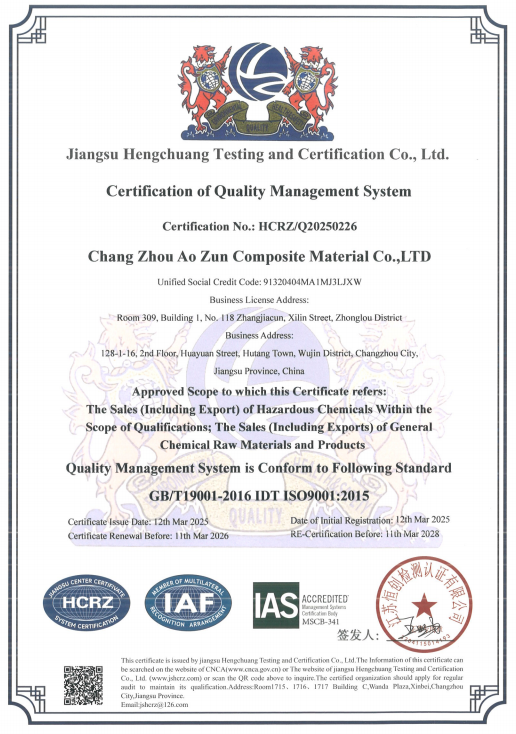
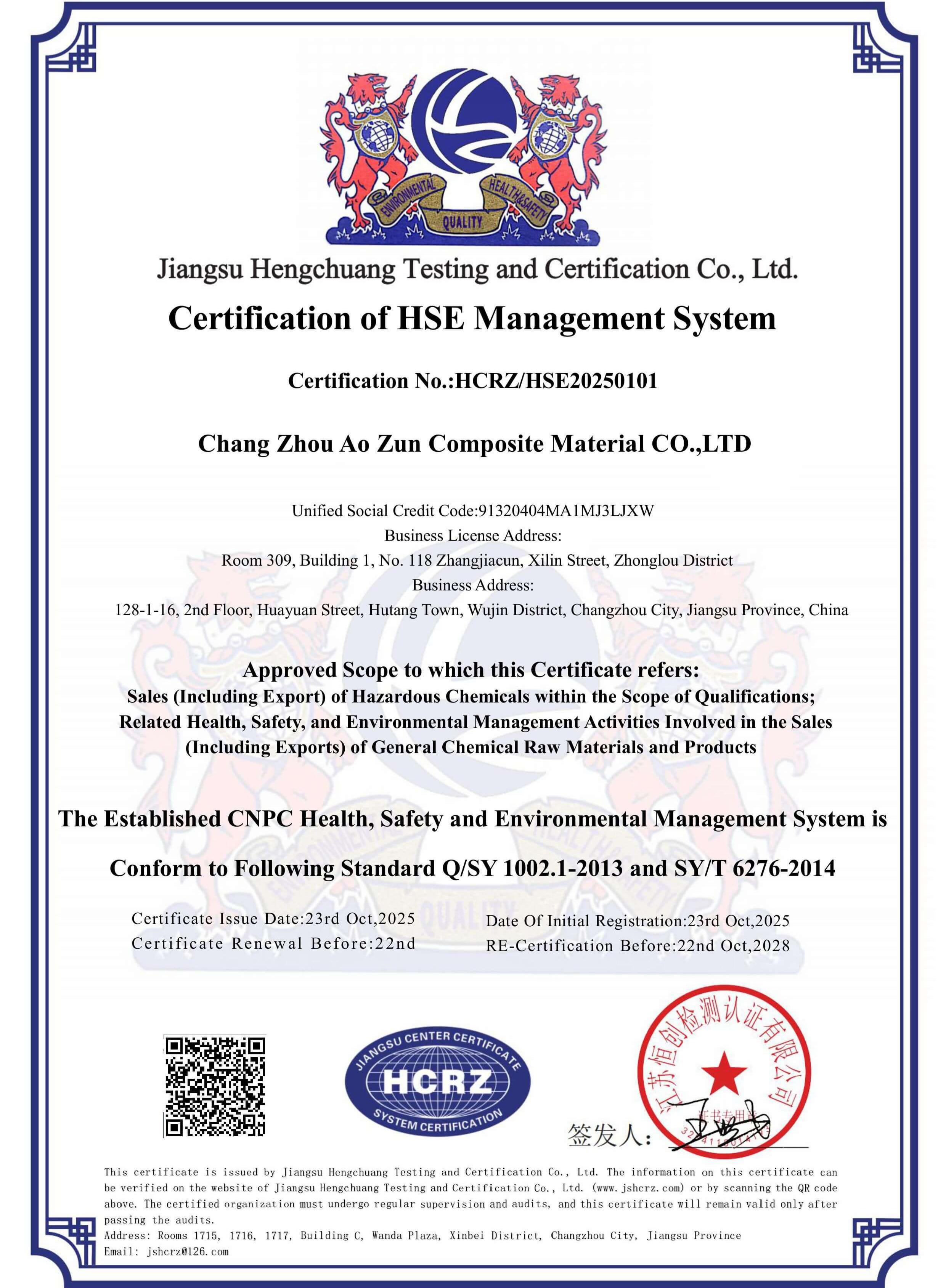
AUTHENTICATION CERTIFICATE

 English
 العربية
 Français
 Русский
 Español
 Português
 Deutsch
 italiano
 日本語
 한국어
 Nederlands
 Tiếng Việt
 ไทย
 Polski
 Türkçe
 አማርኛ
 ភាសាខ្មែរ
 Bahasa Melayu
 ဗမာစာ
 Filipino
 Bahasa Indonesia
 magyar
 Română
 Čeština
 қазақ
 हिन्दी
 فارسی
 Kiswahili
 Slovenčina
 Slovenščina
 Norsk
 Svenska
 українська
 Ελληνικά
 Suomi
 עברית
 Latine
 Dansk
 اردو
 বাংলা
 Hrvatski
 Afrikaans
 Eesti keel
 සිංහල
 latviešu
 Български
 Hausa
 íslenska
 Kurdî
 Lietuvių
 isiZulu