N-Vinyl Pyrrolidone (NVP) is an organic compound with CAS Number is 88-12-0.It is a colorless to pale yellow liquid with a mild characteristic odor.
NVP is produced by the vinylation of 2-pyrrolidone with acetylene and serves as the key precursor to polyvinylpyrrolidone (PVP), a widely used water-soluble polymer.
NVP is fully miscible with water and many organic solvents. It features excellent reactivity as a monomer, enabling the formation of homopolymers and copolymers with superior film-forming, adhesive, and biocompatibility properties.
N-Vinyl Pyrrolidone (NVP), a versatile, water-soluble vinyl monomer essential for manufacturing polyvinylpyrrolidone (PVP) and advanced copolymers.
Technical Specifications
| ITEMS | SPECIFICATIONS |
| Appearance | Colorless clear liquid |
| Assay | ≥99.5% |
| pH | 5~6 |
Package & Storage
Net weight 200kg drum, 16MT/20'FCL with pallets.
Store in a cool, dry, well-ventilated area protected from light and heat sources.
Key Benefits of N-Vinyl Pyrrolidone (NVP)
High Reactivity:
Acts as an effective reactive diluent in UV and electron-beam curable systems, improving curing speed and reducing viscosity.
Excellent Adhesion and Wetting:
Enhances bonding on difficult substrates like plastics.
Water Solubility and Biocompatibility:
Ideal for pharmaceutical excipients and personal care formulations.
Film-Forming Properties:
Contributes to clear, flexible films in coatings and cosmetics.
Versatile Copolymerization:
Easily copolymerizes with monomers like vinyl acetate, acrylates, and others for tailored polymer properties.
Applications and Uses of N-Vinyl Pyrrolidone (NVP)
NVP is widely applied across multiple sectors:
Radiation-Curable Systems
Reactive diluent in UV-curable inks, coatings, and adhesives for excellent wetting, adhesion, and durability on plastics.
Used in screen printing, wood flooring, paper coatings, and packaging materials.
Pharmaceuticals and Personal Care
Key monomer for producing polyvinylpyrrolidone (PVP) used as a binder, dispersant, and excipient in tablets, capsules, and topical formulations.
Ingredient in hair sprays, gels, styling products, and cosmetics due to its film-forming and solubility properties.
Supports drug bioavailability enhancement for poorly soluble active ingredients.
Industrial and Specialty Polymers
Manufacture of PVP homopolymers and copolymers for oil-field chemicals, textile finishes, adhesives, and ceramic/metal binders.
Applications in contact lens manufacturing, paint dispersions, and agricultural formulations.
Frequently Asked Questions (FAQs)
Q: What is NVP primarily used for?
A: NVP is mainly used as a reactive monomer to produce polyvinylpyrrolidone (PVP) and as a reactive diluent in UV-curable inks, coatings, and adhesives. It also serves in pharmaceutical excipients and cosmetic formulations.
Q: Is N-Vinyl Pyrrolidone water-soluble?
A: Yes, NVP is fully miscible with water and many organic solvents, making it highly versatile in aqueous and solvent-based systems.
Q: How should N-Vinyl Pyrrolidone be stored?
A: Store in tightly closed containers, in a cool place, away from heat, light, acids, and oxidizing agents.
Q: Is NVP hazardous?
A: NVP can cause serious eye damage, skin and respiratory irritation, and is suspected of carcinogenicity with prolonged exposure. Use proper PPE and ventilation. It is not classified as highly flammable but should be kept away from ignition sources.
Q: What is the difference between NVP and PVP?
A: NVP is the reactive monomer (liquid). PVP is the polymerized form (powder or solution) widely used as a binder, thickener, and stabilizer in various industries.
Contact Us
For COA, TDS, SDS or related products, please contact us at:
Email: lisa@aozunchem.com
WhatsApp: +86-186 5121 5887
AUTHENTICATION CERTIFICATE
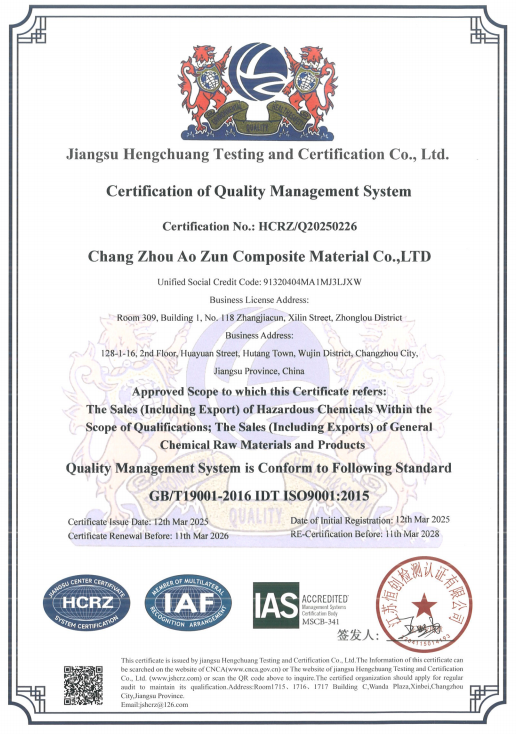
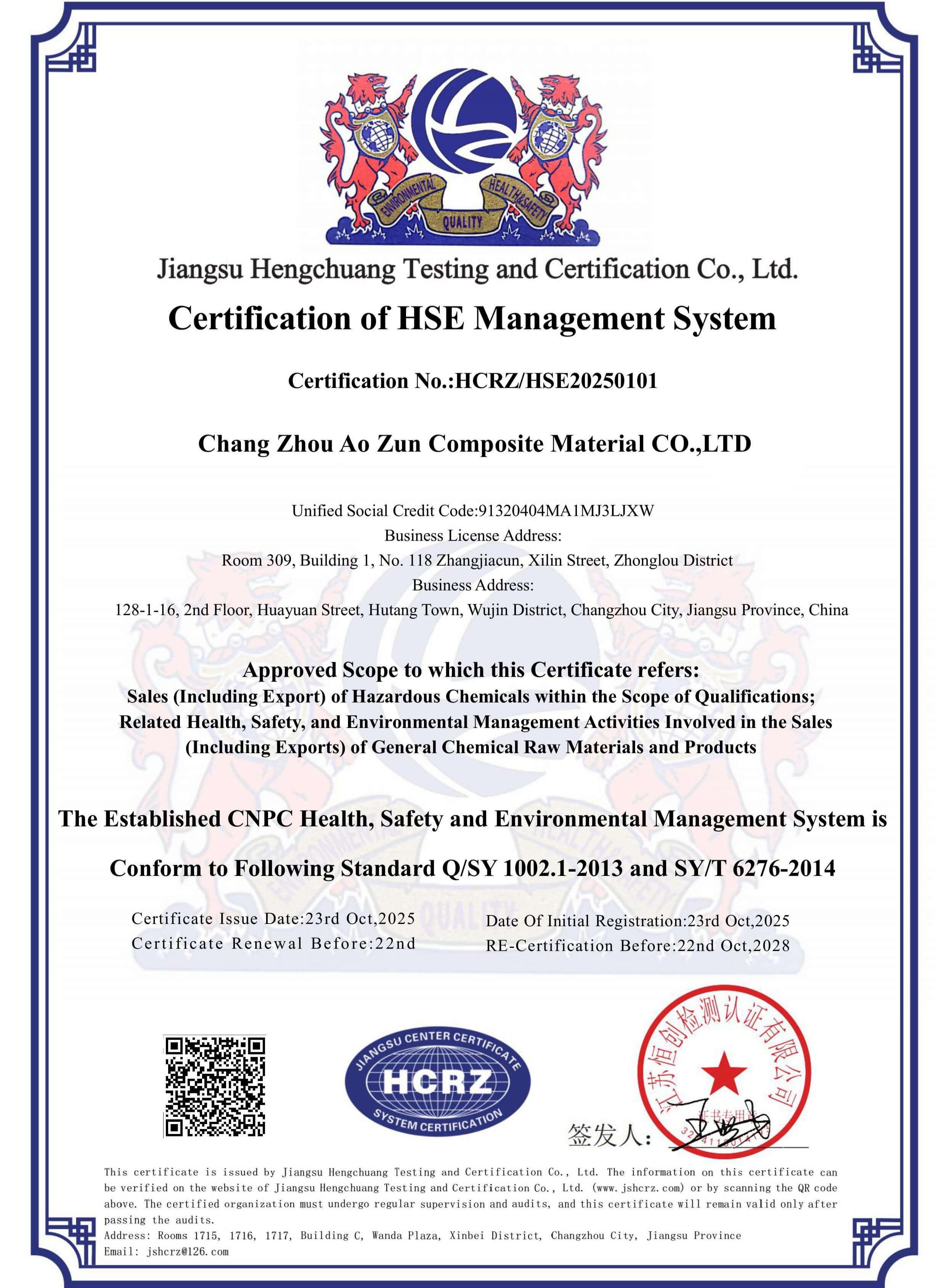

 English
 العربية
 Français
 Русский
 Español
 Português
 Deutsch
 italiano
 日本語
日本語 한국어
한국어 Nederlands
 Tiếng Việt
 ไทย
ไทย Polski
 Türkçe
 አማርኛ
አማርኛ ភាសាខ្មែរ
 Bahasa Melayu
 ဗမာစာ
ဗမာစာ Filipino
 Bahasa Indonesia
 magyar
 Română
 Čeština
 қазақ
қазақ हिन्दी
 فارسی
فارسی Kiswahili
 Slovenčina
 Slovenščina
 Norsk
Norsk Svenska
 українська
 Ελληνικά
 Suomi
Suomi עברית
עברית Latine
 Dansk
Dansk اردو
اردو বাংলা
বাংলা Hrvatski
 Afrikaans
 Eesti keel
 සිංහල
සිංහල latviešu
 Български
 Hausa
Hausa íslenska
 Kurdî
Kurdî Lietuvių
 isiZulu


![3-[(2-Ethylhexyl)oxy]propylamine](http://ijrorwxhlloplm5m.ldycdn.com/cloud/pnBpoKnmlnSRplnkikojip/3-2-Ethylhexyl-oxypropylamine-640-640.png)