Dicyclopentadiene, commonly abbreviated as DCPD, is a tricyclic diene with CAS Number 77-73-6. It is the dimer of cyclopentadiene (CPD), formed via a Diels-Alder reaction. DCPD appears as colorless crystals or light yellow liquid.
Dicyclopentadiene (DCPD), a versatile hydrocarbon compound widely used as a key building block in the production of unsaturated polyester resins, hydrocarbon resins, EPDM rubber, coatings, adhesives, and advanced composites.
Technical Specifications
| ITEMS | SPECIFICATIONS |
| Appearance | Colorless crystals or light yellow liquid |
| Dicyclopentadiene(DCPD) | ≥97.0% |
| Cyclopentadiene(CPD) | ≤2.0% |
| Moisture | ≤200ppm |
| Hazen | ≤50 |
Package & Storage
Net weight 150kg drum, 12MT/20'FCL with pallets.
Store in tightly closed containersin a cool, well-ventilated area away from oxidizing materials, strong acids, and strong bases.
Benefits of Dicyclopentadiene (DCPD)
High Reactivity:
Enables efficient polymerization and copolymerization for durable resins and elastomers.
Low Viscosity:
Ideal for reaction injection molding (RIM) and large-part manufacturing.
Excellent Thermal & Chemical Resistance:
Produces materials resistant to heat, impact, corrosion, and chemicals.
Cost-Effective Building Block:
Derived from petroleum cracking streams, providing a reliable and economical intermediate.
Versatile Compatibility:
Works well in formulations for resins, rubbers, coatings, inks, and adhesives.
Lightweight Strength:
Supports production of strong yet lightweight composites for automotive, marine, and agricultural equipment.
Applications and Uses of Dicyclopentadiene (DCPD)
DCPD serves as a critical monomer and intermediate in numerous industries:
Resins and Polymers
Unsaturated polyester resins (UPR) for composites, marine, and construction applications.
Hydrocarbon resins and cyclo-aliphatic resins for adhesives, inks, and coatings.
Polydicyclopentadiene (pDCPD) via ROMP for large, impact-resistant parts.
EPDM rubber production as a diene monomer.
Reaction Injection Molding (RIM)
Manufacturing of large structural components such as truck hoods, fenders, agricultural machinery panels, boat hulls, and protective shields. DCPD-based RIM offers exceptional strength-to-weight ratio and corrosion resistance.
Coatings, Adhesives, and Inks
Paints, varnishes, printing inks, and hot-melt adhesives.
Flame retardants and specialty intermediates.
Other Industrial Uses
Pharmaceuticals, pesticides, and rubber compounding.
Modified resins for paper sizing, oil modification, and engineering plastics.
Frequently Asked Questions (FAQs)
Q: What is DCPD used for?
A: DCPD is primarily used as a monomer in unsaturated polyester resins, hydrocarbon resins, EPDM rubber, and for reaction injection molding of large structural parts in automotive, marine, and industrial applications. It also appears in coatings, adhesives, inks, and as a chemical intermediate.
Q: Is DCPD flammable?
A: Yes, DCPD is a flammable liquid. It requires proper storage away from ignition sources and handling with fire-safety precautions.
Q: How should DCPD be stored?
A: Store in tightly closed containers in a cool, dry, well-ventilated area. Keep away from heat and incompatible materials.
Q: Is DCPD hazardous to health?
A: DCPD can cause skin and eye irritation and is harmful if swallowed or inhaled in high concentrations. Use proper PPE and ventilation.
Q: Can DCPD be used in food-contact applications?
A: Certain derivatives or copolymers of DCPD have indirect food-contact approvals (e.g., in adhesives or polymers).
Contact Us
For COA, TDS, SDS or related products, please contact us at:
Email: lisa@aozunchem.com
WhatsApp: +86-186 5121 5887
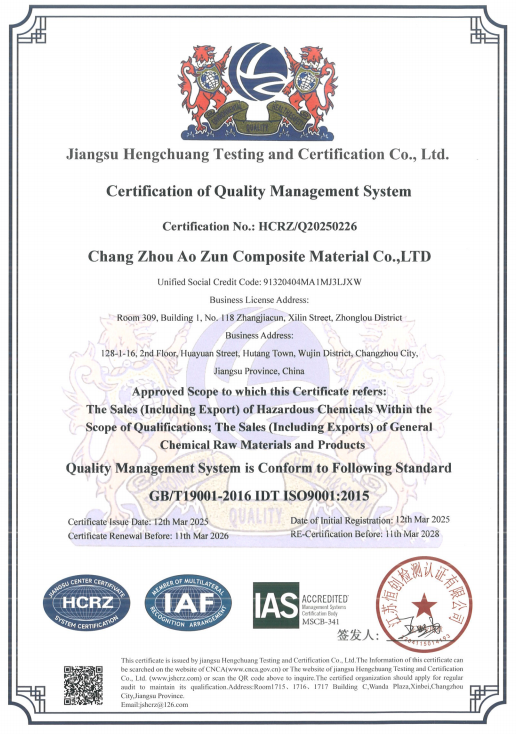
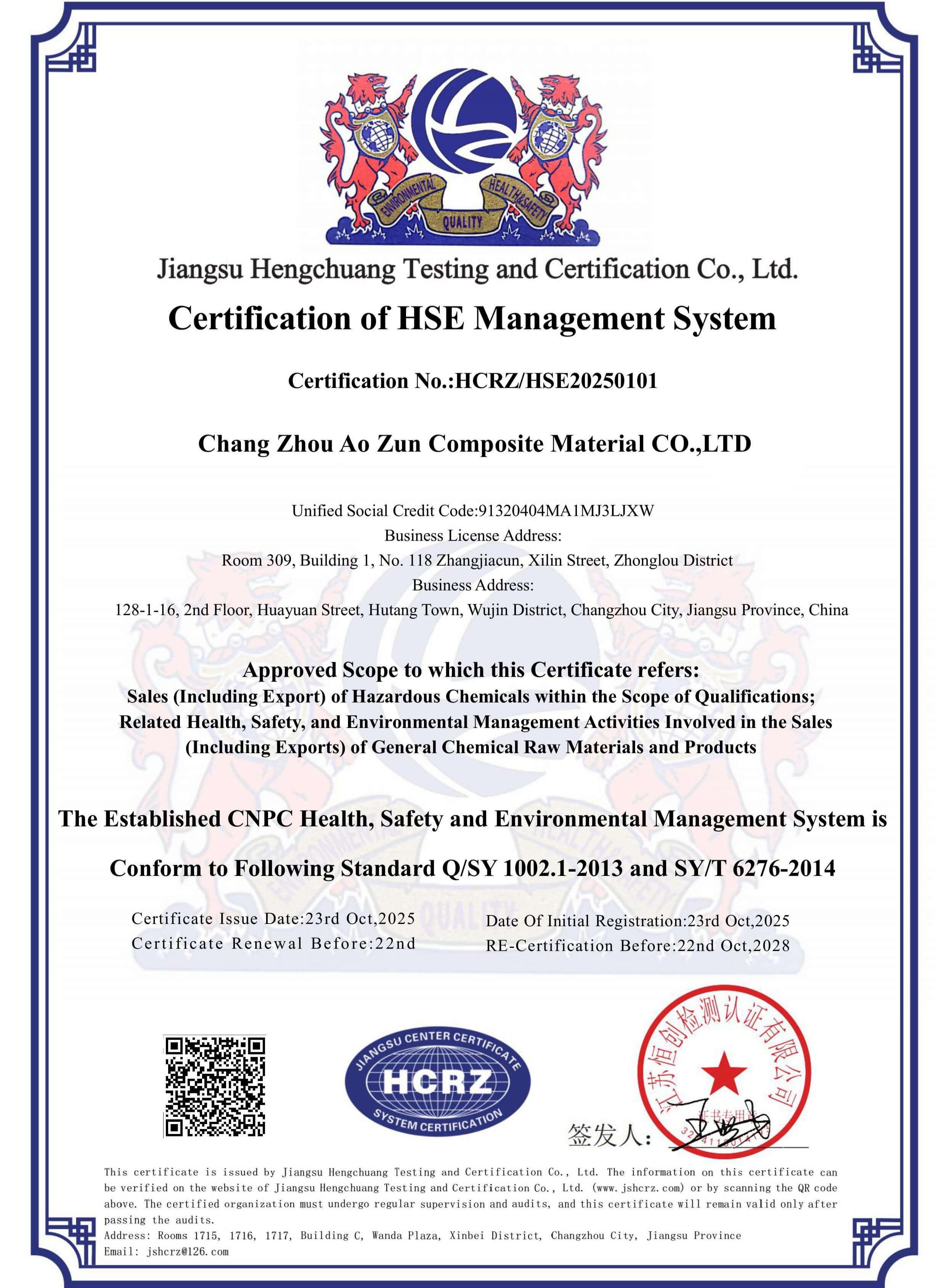
AUTHENTICATION CERTIFICATE

 English
 العربية
 Français
 Русский
 Español
 Português
 Deutsch
 italiano
 日本語
日本語 한국어
한국어 Nederlands
 Tiếng Việt
 ไทย
ไทย Polski
 Türkçe
 አማርኛ
አማርኛ ភាសាខ្មែរ
 Bahasa Melayu
 ဗမာစာ
ဗမာစာ Filipino
 Bahasa Indonesia
 magyar
 Română
 Čeština
 қазақ
қазақ हिन्दी
 فارسی
فارسی Kiswahili
 Slovenčina
 Slovenščina
 Norsk
Norsk Svenska
 українська
 Ελληνικά
 Suomi
Suomi עברית
עברית Latine
 Dansk
Dansk اردو
اردو বাংলা
বাংলা Hrvatski
 Afrikaans
 Eesti keel
 සිංහල
සිංහල latviešu
 Български
 Hausa
Hausa íslenska
 Kurdî
Kurdî Lietuvių
 isiZulu


![3-[(2-Ethylhexyl)oxy]propylamine](http://ijrorwxhlloplm5m.ldycdn.com/cloud/pnBpoKnmlnSRplnkikojip/3-2-Ethylhexyl-oxypropylamine-640-640.png)